Peter's Blog
Get the latest headlines, market analysis, and original content from SchiffGold.
Guest Commentaries
Search Peter's Blog

Price Controls Can’t Make World Cup Tickets Affordable
Governments consistently believe they can outlaw the law of supply and demand, and Ontario’s price caps on World Cup resale tickets are only the latest example. The predictable result is not fairer prices but a black market, proving once again that intervention does not eliminate scarcity, it just pushes the exchange underground. The following article […]

Microsoft and the Protection Racket: Rothbard Was Right
Austrian economist Murray Rothbard famously described government as a large and successful criminal gang, arguing that it relies on coercion and violence to achieve its ends. The Microsoft antitrust case of the late 1990s illustrates this concept, as the government used its power to target a successful private company for alleged anticompetitive practices. By threatening […]

Don’t Blame Billionaires – Blame the Incentives
As wealth inequality continues to rise, many are quick to blame billionaires for society’s ills. However, focusing on individual wealthy people obscures the underlying institutional factors that shape economic outcomes. Rather than vilifying the rich, we should examine how government policies and central bank interventions create perverse incentives that concentrate wealth and distort markets. The […]

The Keynesian Demand Fallacy
Keynesian economists often attribute economic downturns to insufficient aggregate demand, arguing that government intervention is necessary to boost spending and restore growth. However, this theory fails to recognize that consumer demand is not an independent variable but rather a consequence of prior production and savings. The following article was originally published by the Mises Institute. […]
The Founding Fathers Rejected Fiat Money
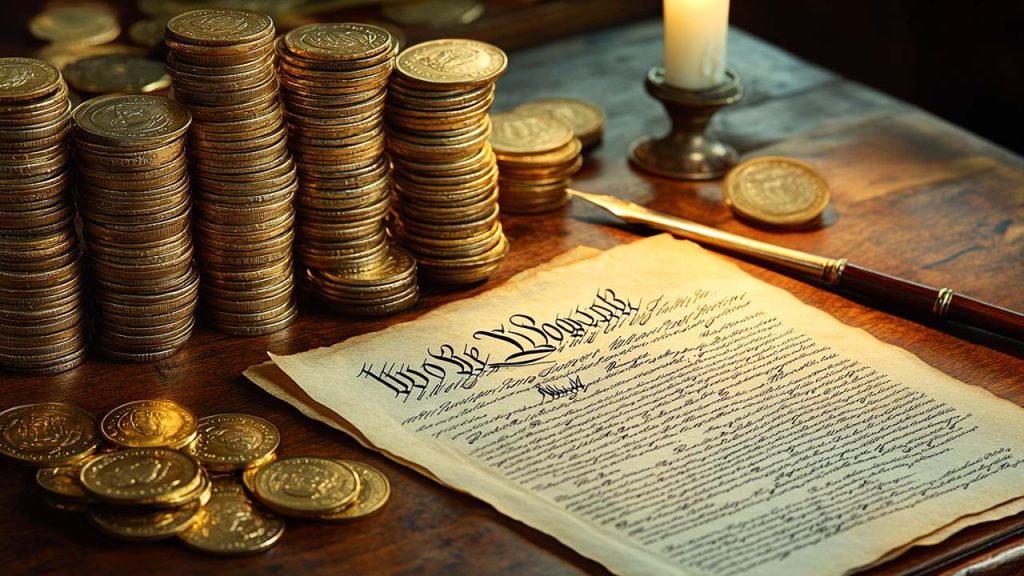
As the United States prepares to commemorate its 250th anniversary, Americans will celebrate the nation’s founding with pageantry, parades, pomp and patriotism. Loving one’s country of birth and taking pride in its independence-inspired origins, praiseworthy accomplishments, and laudable legacy is a natural inclination and respectable trait. Similar celebration and reverence shouldn’t apply to the dollar, […]

Why Printing Money Doesn’t Create Prosperity
Mainstream economists often argue that increasing the money supply is necessary to stimulate economic growth. However, Austrian economists have long recognized that monetary expansion merely creates the illusion of prosperity while sowing the seeds of future crises. Printing money cannot create real wealth or productive resources, but instead distorts economic calculation and leads to malinvestment. […]

When Alan Greenspan Chose Power Over Principle
Alan Greenspan served as Federal Reserve Chairman for nearly two decades, presiding over the US economy during a period of significant growth and turmoil. While often portrayed as a stalwart defender of free markets, a closer examination of his career reveals a more complex picture. Greenspan’s ability to adapt his views and rhetoric to suit […]

Taxing Success, Rewarding Envy
The US tax system is often praised as a means of funding essential government services and redistributing wealth. A deeper analysis reveals that it is primarily driven by envy and resentment rather than a genuine concern for the common good. By pitting different groups against each other, the tax code fuels social division and undermines […]

The Return of Easy Money Is Fueling Higher Prices
The latest figures show the money supply growing at its fastest pace in over four years, with consumer prices climbing right alongside it. Yet the Federal Reserve continues to insist its policy stance is at least moderately restrictive, even as real wages fall further behind inflation. The following article was originally published by the Mises […]

The Real Danger of AI Isn’t Job Loss
Americans are increasingly anxious about artificial intelligence and what it means for their jobs, and politicians on both sides of the Pacific have begun promising to manage the transition. But the real question isn’t whether AI will displace certain jobs (that kind of creative destruction is the normal engine of economic progress); it’s whether the […]
 Live Chat
 Email:
  Phone: 1-888-465-3160