$5k Gold is Repricing Marriage in South Asia
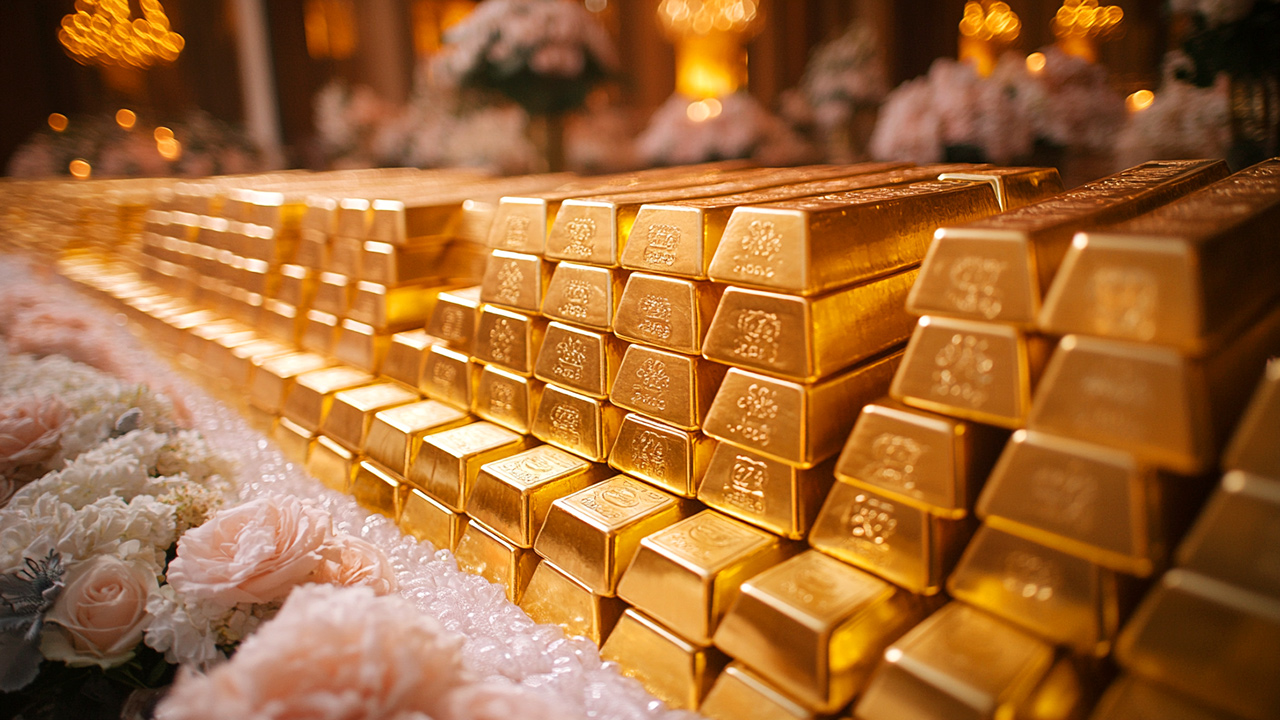
In South Asia, gold isn’t just a popular ornament for jewelry, and as a display of status. It plays a central role in weddings, not merely as a decoration, but as a transactional component that crystalizes arranged unions, confirms economic compatibility, and protects brides with real wealth in a culture where marital value can take a more overtly literal, physical form than it does in the West. The holding and exchange of gold before a marriage (and its inclusion in the marriage itself) helps solidify a bride’s acceptance from the family of her husband-to-be, securing her honor and ensuring she has wealth of her own.
While official dowries were banned in India decades ago, a bride’s gold transcends the transactional, taking a spiritual and emotional power that has been a component of weddings for many centuries.
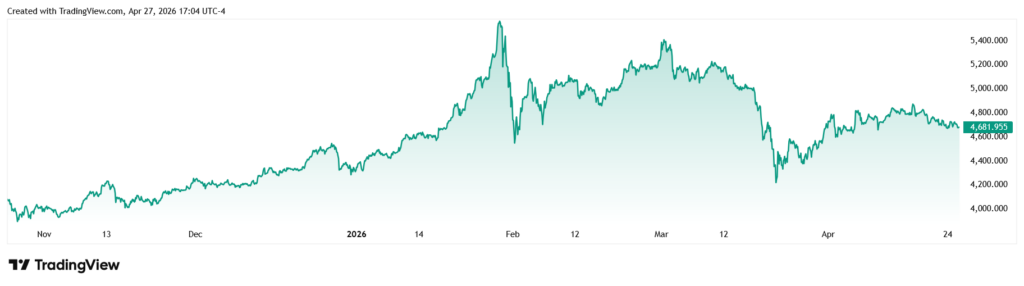
Now, with gold recovering from its correction and settling in for another run to $5,000 per ounce and beyond as an economic crisis takes shape, the unaffordability of retail gold is straining long-standing cultural norms surrounding marriage and familial ties in the region. In countries like India, the next major bull season for gold will threaten a forced readjustment of expectations for brides, grooms, and their families, as fewer people are able to afford the golden nuptials they envisioned and expected, and parents are no longer able to save up enough gold to pass on to their daughters.
Gold’s rise back above $5k is inevitable, and as it pushes even higher, it may force a cultural restructuring in countries where marital expectations come with a financial expectation and lifeline in the form of history’s hardest money. De-dollarization, stagflation, spending, and money printing will cause the bull run to resume, with unique social consequences in South Asia.
As Peter Schiff recently said on X:
Silver is back above $80. It won’t be long before gold is back above $5,000. The dollar has already lost all of its Iran war gains. Soon gold will recover all of its Iran war losses. Buy before it does.
Amounts of gold once considered the minimum standard for an Indian wedding is becoming an impossible burden. A middle-class family that budgeted a certain amount for their daughter’s gold just two years ago now faces double or triple that cost. Parents who scrimped and saved through years of high inflation discover that their rupees have melted away while the gold they hoped to give their daughters has soared out of reach. Weddings are a huge driver of spending in South Asia, and the role of gold is being reconsidered as smaller quantities and alternative metals become more common.
Some are ironically going into debt to buy more nuptial gold, locking them exactly into the kinds of financial arrangements that gold is supposed to protect you from. Many wedding events are being postponed and downsized, and couples are waiting longer before tying the knot. In rural areas, where gold has historically been the only inheritance a daughter receives, the shortfall threatens to widen gender inequities that no government program can paper over. The very institution that gold once reinforced of stable, economically compatible marriages is being stressed by the very monetary inflation governments claim to fight.
In this way, fiat money distorts every aspect of human life, from the price of bread to the price of love. While Western couples fret over venue costs and honeymoon packages denominated in depreciating dollars, South Asian families confront a more primal truth. Their marriage market is being repriced in real terms, set by the immutable laws of supply and demand for honest money.
Gold vs USD, 6-Month
The same de-dollarization wave that has central banks from Beijing to New Delhi stacking physical gold reserves is now reaching street-level weddings. India’s own central bank has dramatically increased its gold holdings precisely because it no longer trusts the dollar as the ultimate reserve asset. BRICS nations are accelerating settlements in local currencies and gold precisely to escape the inflationary tax Washington exports to the world. Every ounce that central banks buy is an ounce no longer available for brides and grooms.
Politicians in New Delhi rail against “speculative” gold demand and occasionally tighten import duties, yet they continue the same fiscal profligacy and rupee debasement that drive that demand higher. The Reserve Bank of India prints rupees to buy gold while simultaneously lecturing citizens about saving in government bonds. Meanwhile, the US Treasury and Federal Reserve, architects of the global dollar system, flood the world with new liquidity to finance trillion-dollar deficits.
Rather than the “gold bubble” referenced by Keynesian pundits, the gold bull market is the market’s verdict on decades of monetary mismanagement (and micromanagement). South Asia is simply feeling the consequences earlier and more viscerally because its culture never fully abandoned sound money.
Families may shift toward cash dowries (futile in an inflationary spiral), or governments may attempt price controls and gold confiscation…policies that have failed spectacularly throughout history.
We do not wrap our brides in sovereigns and tolas, but we have entrusted our retirements, our children’s education funds, and our national wealth to the same broken system now pricing Indian weddings out of reach. When the dollar’s “Iran war gains” evaporate and gold reclaims every lost ounce (and more), the pain will not be limited to South Asian dowries. It will manifest in collapsing 401(k) values, unaffordable housing, and a retiree class forced to sell assets into a bidless market.
The cultural dislocation happening today in Delhi and Bangalore is tomorrow’s retirement crisis in Dallas and Fort Lauderdale. Stagflation is the inevitable outcome of trillion-dollar deficits financed by printing presses. South Asia’s wedding altars are simply the canary in the gold mine.

 Live Chat
 Email:
  Phone: 1-888-465-3160