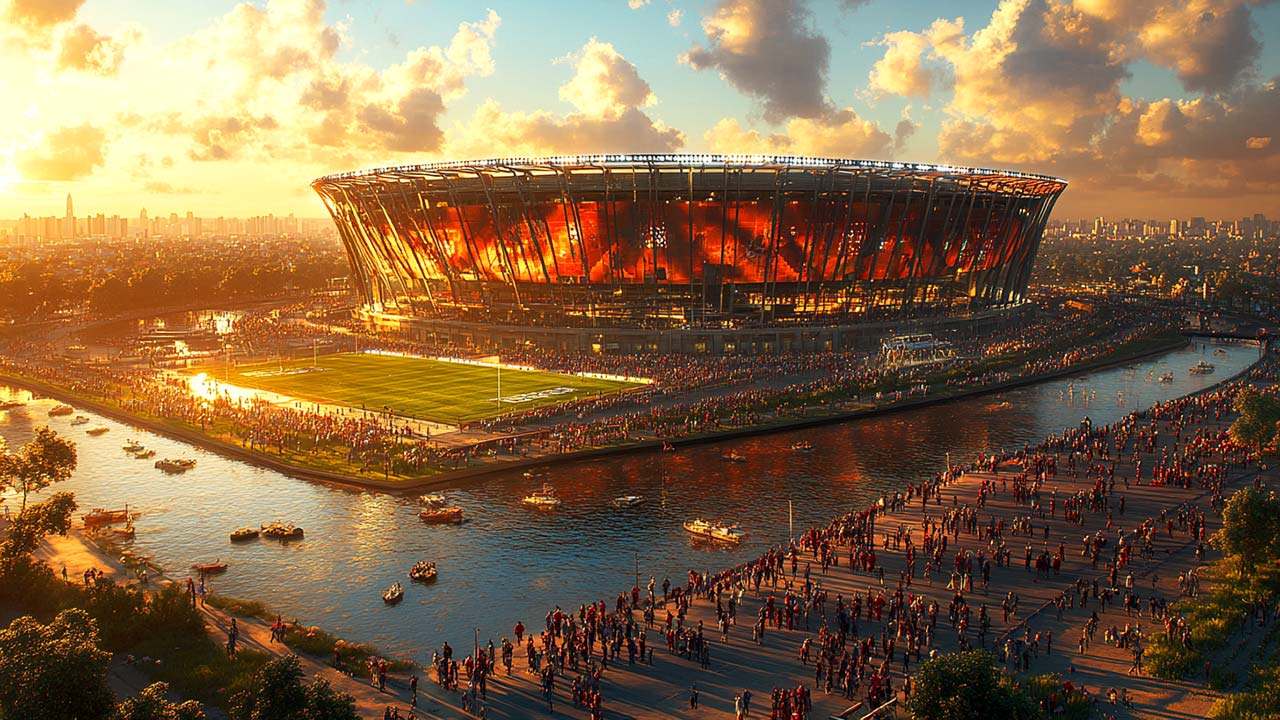
The Bread & Circus effect: The Danger of Public Stadium Funding
In 2016 when the measure C initiative to raise hotel taxes to benefit a new San Diego Chargers stadium failed, the Chargers left their hometown of many years to go to Los Angeles. A team expecting government aid as a prerequisite to be in a location is an exceedingly common story in the world of modern sports. Even when they do not contribute directly to the creation of the stadium, the government usually spends millions of dollars on associated infrastructure improvements. All the vast spending packages are justified under the justification of future economic growth in the area. The owners are arguing that the building of a new stadium will add far more to the local economy and community than the money that the government is spending. They are painting themselves as the selfless providers of a good. Although the major sports leagues have no lack of money and would require stadiums to play even without government help, the easy accessibility of government funding means that the cheaper option is usually a massive lobbying campaign and support of government funding for a specific stadium. Even before the obvious theoretical problems with this approach, the economic benefit numbers typically given by sports teams are highly dubious. This is a clear example of business interfering in government processes to the detriment of most. Even sports franchises themselves are unable to recognize their most lucrative opportunities as they are blinded by the potential of massive sums from the government. Rather than creating new economic opportunities, the primary effect of government spending on stadiums is a redistribution of wealth from the people to specific sports fans. The practice of government sponsoring has become so common that local governments are simply expected to sign off on stadiums rather than evaluate whether that money could be used better in the hands of the citizens or even in more traditional infrastructure.
The extent to which government funding is used in the creation of stadiums, has allowed teams to rely on handouts rather than better marketing and performance. Every other industry is full of companies that must finance their own projects, yet for some reason sports teams are perceived differently. Obviously there is some social good to having a well-maintained stadium in a city, yet whether that good is greater than the billions of dollars used is a different question. Rather than making trade-offs between different entrepreneurial decisions, NFL teams face an extremely high motivator to make governing bodies happy. Spending a few hundred thousand dollars to impress local officials will almost always pay off when that can greatly increase the hundreds of millions of dollars already spent on stadiums. There are plenty of untapped markets and opportunities left unexplored because resources are spent on lobbying rather than the creation of growth.
Roads are an extremely popular form of government funding because they have the potential to benefit almost everyone, yet stadium building is far less popular because it benefits a few at the expense of many. All citizens in a county or city must bear the burden of taxes or debt used to build a nearby stadium, yet a few of them will actually receive any tangible benefit. Additionally, in both hockey and basketball there seems to be almost no empirically significant increase in local business due to a stadium being built. Despite this fact, dozens of rinks and courts have been built using taxpayer money. This is a classic example of concentrated benefits and dispersed costs, destroying the individual’s ability to have their tax money spent on them. Just as people resent money from the city being siphoned into the country or vice versa, they also resent this de facto redistribution of wealth to sports fans. League executives have a strong historical precedent to get stadiums funded, and it certainly helps that they are skilled in wine-and-dining. Even if a majority of local people are in support of a stadium, it is still a unique form of tax that has a high chance of never benefitting a significant portion of the population.
While more local areas have resisted recently than in the past, it is still difficult for local governments to objectively evaluate the trade-off of funding a stadium. Although there are always more pressing needs for a community, the high publicity of a sports facility can often cause people to fold while knowing the money could be better used elsewhere. If that sort of targeted approach towards taxation was taken for any other sort of social problem, they could raise funds rapidly. A city with a difficult homeless situation or vast poverty might add on a special stadium tax, but it would be rare that they would do the same thing to deal with the issues harming their community. While all government redistribution of wealth is always harmful to some people, the payment for sports event centers is a clear reminder that politicians are people controlled by publicity and the chance to curry favor, even if they are spending hundreds of millions of dollars to support an already-profitable business.

 Live Chat
 Email:
  Phone: 1-888-465-3160