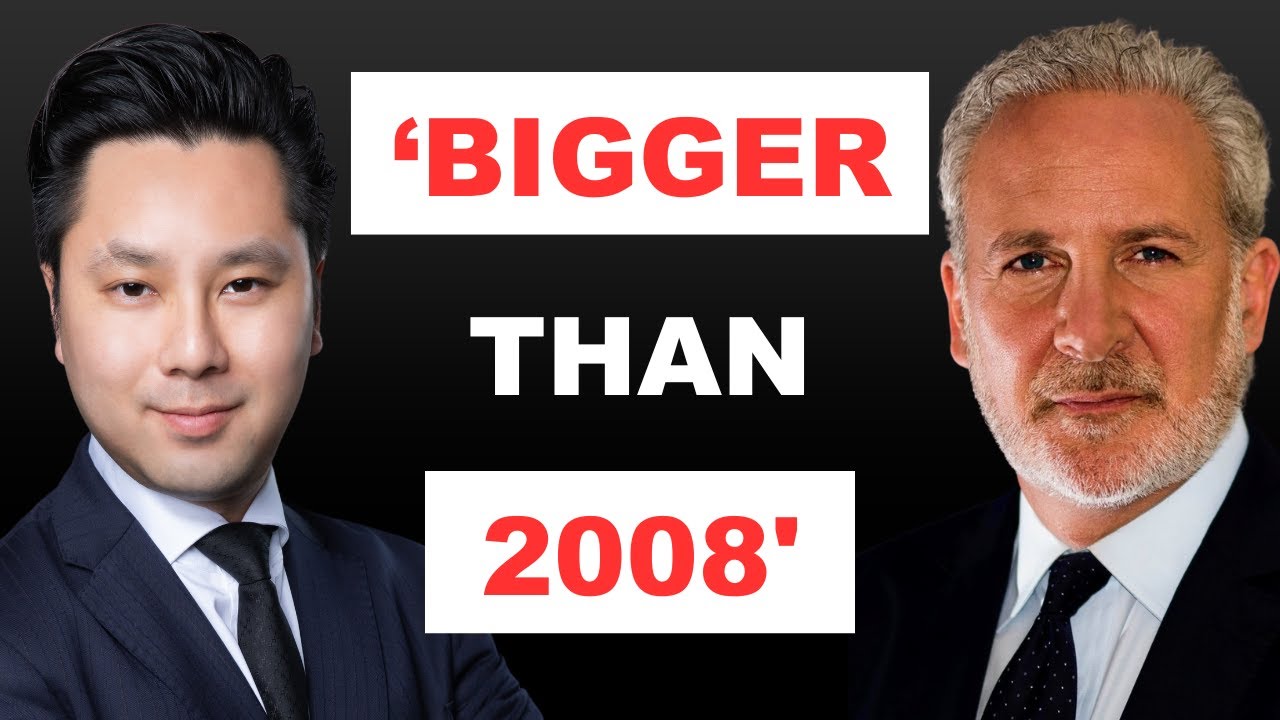
Schiff w/ Lin: The Dollar’s Gravy Train is Ending
In his latest conversation with David Lin, Peter lays out a stark vision of a changing monetary order where gold regains its central role and the dollar’s slowly overtaken by other currencies as the reserve asset. He ties the shift to central bank behavior, the Fed’s role as buyer of last resort, and the political temptations of tariffs and fiscal excess, while also warning against crypto’s promise as a substitute for real money.
Peter opens by arguing that central banks are quietly repricing gold and abandoning the dollar as the primary reserve asset. He frames this as a fundamental shift that will reshape U.S. economic privilege and living standards:
This is a complete repricing of gold and silver for the new monetary world order. I think what’s happening is central banks are moving out of dollars and into gold so that the primary reserve asset backing up currencies is going to be gold, as it should be. So the dollar’s days of being the reserve currency and the exorbitant privilege that went along with it are coming to an end. And that is a game changer for the United States. It means our days of living, you know, high on the hog and riding the global gravy train are over.
He connects the reserve shift to a deeper funding problem: private buyers are vanishing and the Fed ends up footing the bill, which he says leads straight to inflationary consequences. This is a classic Austrian concern about monetization of debt and the collapse of market discipline:
It’s about the fact that nobody wants to buy our sovereign debt. And so the only buyer becomes the Fed. And that is a crisis when you can’t find private buyers for your debt and your central bank has to do it. Then you have massive inflation. So it’s the debt crisis that begets the currency crisis and runaway inflation.
Peter looks ahead to the consequences for markets when gold finally goes parabolic, warning that the speculative mania will reach mining stocks and even name changes as investors chase the theme. He notes that bubbles create distorted valuations, and that gold’s rise will attract its own irrational actors:
When we are finally in the blow off bubble stage of the gold bull market, and who knows how long it’s going to last, you’re going to see crazy valuations assigned to gold mining companies. In fact, you’re probably going to see companies that don’t even have gold become gold companies. Right?
On trade policy, Peter calls out a common political talking point: that tariffs can both raise revenue and leave prices unchanged. He pushes the logical question about who actually pays tariffs and exposes the contradiction in politicians’ claims:
And of course, if it worked the way Donald Trump says, if we can have tariffs but not raise prices, but the government can collect hundreds of billions in revenue, where is the revenue coming from? If the Americans aren’t paying the tariffs, who is? If the tariffs are really being paid by the Mexicans and the Canadians and the Chinese, then why have income taxes at all? Why have any domestic taxes? Just tax, just have tariffs.
Switching to crypto, Peter traces the origin story of Bitcoin’s pitch to investors: it was sold as “digital gold,” an inflation hedge meant to replace physical bullion for those worried about the dollar. He remains skeptical of that framing and implies Bitcoin’s promotional narrative misleads people away from proven sound money:
Look, what Bitcoin was sold to the investing public as digital gold as an alternative to gold — that if you want to buy gold, if you believe that you need an inflation hedge, if you’re worried about the dollar and you would normally buy gold or silver, buy Bitcoin instead because Bitcoin is better than gold. It’s the new gold. It’s digital gold. It’s gold two point oh. And that was how it was sold.
Finally, Peter recalls how his own positioning during the last crisis reflected his faith in precious metals and foreign markets as the right bets against U.S. policy failure. He points out that hedging against a failing domestic economy often looks like buying gold, foreign stocks, and foreign currencies:
I shorted subprime mortgages, made some money there. But the way you short the US is to buy gold and silver. That is a bet against the US, right? I bought foreign stocks. I bought foreign currencies. I mean, my whole everything that I positioned myself was a bet that the US was going to fail. I want it to succeed, but unfortunately, I knew it couldn’t, because I know the policy mistakes that are ingrained in the culture.

Receive SchiffGold’s key news stories in your inbox every week – click here – for a free subscription to his exclusive weekly email updates.
Interested in learning how to buy gold and buy silver?
Call 1-888-GOLD-160 and speak with a Precious Metals Specialist today!
 Live Chat
 Email:
  Phone: 1-888-465-3160