Peter's Blog
Get the latest headlines, market analysis, and original content from SchiffGold.
Posts Tagged: “interest rates“
Search Peter's Blog
Schiff w/ La Roche: The Fed Should’ve Hiked
Last week, Peter joined Julia La Roche to discuss the Fed’s latest antics after Jerome Powell announced that rates will be held steady for at least another FOMC meeting cycle. Peter responds, warns that the consequences of the Fed’s inaction will be higher inflation, a weaker dollar, and a reassessment of what people consider real […]
Peter Schiff: The Fed Let Inflation Live
On Wednesday’s episode of the Peter Schiff Show, Peter responds to the Federal Reserve holding–rather than hiking– rates yet again. He walks through recent producer prices, GDP, and mortgage activity data to show why these signals mean real rates are likely to turn negative again, a dynamic that favors gold and punishes the dollar. The […]
Schiff on Triangle Investor: The Dollar is on the Decline
Last week Peter appeared on Triangle Investor to discuss the latest economic news, including last week’s 2.4% CPI figure. Over the course of the interview he connects rising precious metal demand to central bank behavior, warns that runaway interest costs are about to reshape federal finances, critiques crypto’s fragile dynamics, and explains how artificially low […]
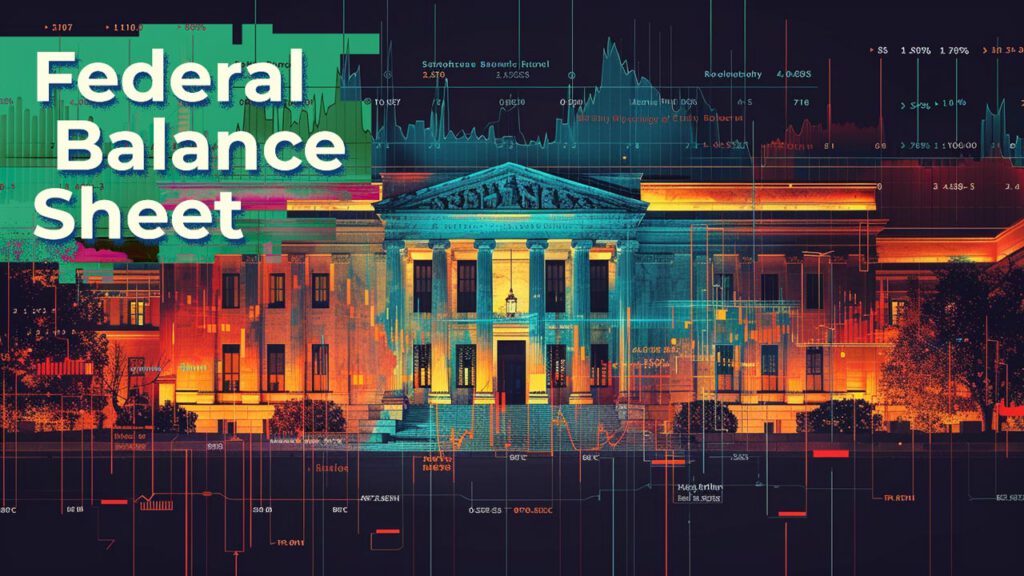
Fed is Adding $20B a Month to the Balance Sheet
The following analysis breaks down the Fed balance sheet in detail. It shows different parts of the balance sheet and how those amounts have changed. It also shows historical interest rate trends. Breaking Down the Balance Sheet As soon as the Fed ended Quantitative Tightening, they launched a new round of Quantitative Easing. As shown […]

Why Boom-Bust Cycles Validate Austrian Theory
One criticism of the Austrian School’s theory of recessions is that it doesn’t account for the expectations of entrepreneurs, who can anticipate central bank actions which precipitate economic busts. But, as Austrian economist Joe Salerno argues, this criticism betrays a fundamental misunderstanding of how recessions occur. The following article was originally published by the Mises […]

Schiff on Wealth Building Blueprint: Higher Rates are the Cure
In a recent appearance on the Wealth Building Blueprint, Peter goes wide on the gold and silver setup and the macro limits of policy in this episode, arguing that everything from central banks to retail investors will be forced to take notice of the metals’ recent price action. He traces the last cycle, explains why […]

Why Rate Cuts Only Delay Economic Recovery
Politicians have tricked their citizens into believing that low interest rates will solve their economic troubles– perhaps by lowering housing prices or stimulating the economy out of a recession. In reality, slashing rates isn’t a cure to economic ailments; it’s a poison that corrupts saving and investment and raises prices across the economy. The following […]

Interest Rates Are Set by People, Not Central Banks
Interventionists see interest rates as a key policy parameter set by central bank bureaucrats, betraying a crucial misunderstanding about the nature of interest. In reality, rates are determined by individual time preference– the willingness to trade off future and present consumption. The following article was originally published by the Mises Institute. The opinions expressed do […]

CPI Inflation Cools Amid Falling Oil Prices and Slowing Rents
With the CPI coming in at 2.7% last week– lower than the expected 3.1% – markets rallied at the hope that inflation is being tamed. 2.7% is still nearly a full point higher than the Fed’s 2.0% goal, and this hope is misplaced: the Fed’s latest cuts will only drive inflation higher. The following article […]

Money Supply Surges to 3-Year High as Fed Quietly Eases Policy
With the market betting on a rate cut at this week’s FOMC meeting, many are hoping for another few months of easy monetary policy. Money supply growth data, however, shows how monetary policy is already too free, and the money supply is already growing too much. The following article was originally published by the Mises […]
 Live Chat
 Email:
  Phone: 1-888-465-3160