Germany’s Painfully Boring Economic Decline
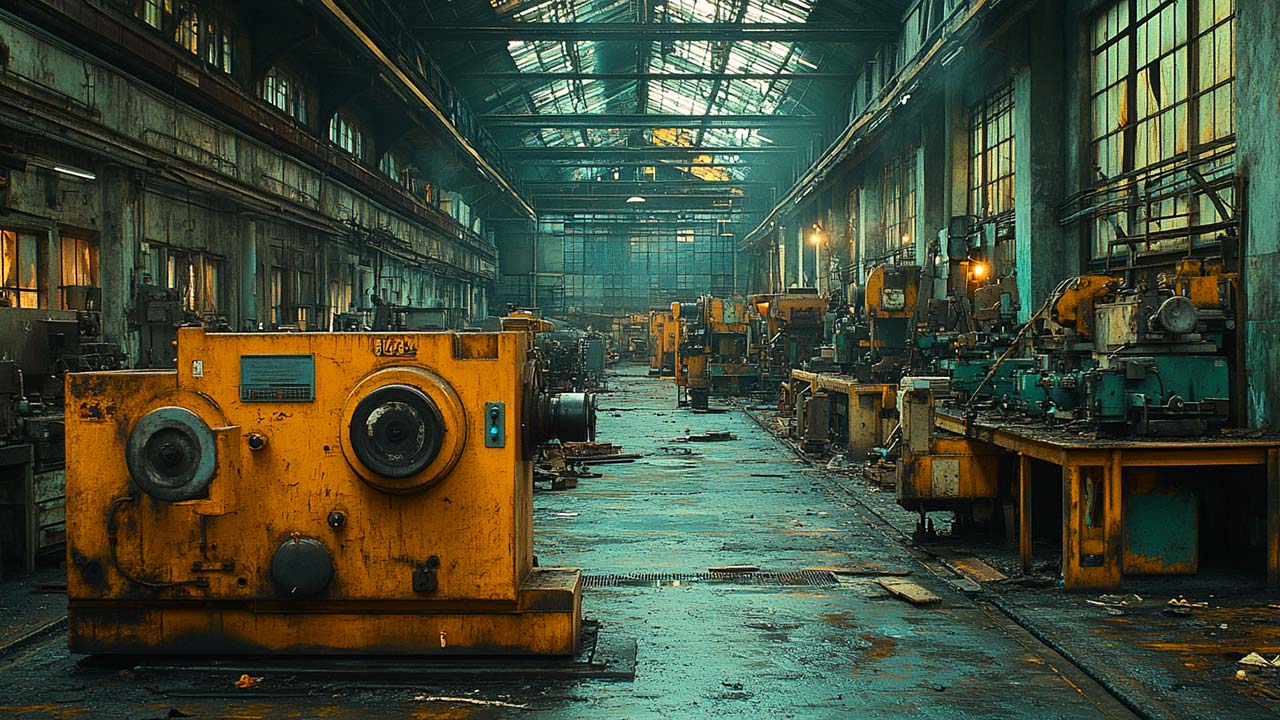
While it’s been known for many years that Germany’s economy is in poor health, the debate about the cause is quite contentious. Some claim that the government should have stepped in earlier while others claim that the government was the problem the whole time. Numerous German governments have tried to tackle this problem, but to no avail. German manufacturing is dying, and there is no innovation and other industries to balance it out. German lawmakers have created a package that they think could be the solution, yet it simply does what they have tried to do in the past by dumping money into dying industries. The three factors of Germany’s decline are still in full force, and the problem will not reverse until they have been removed. High input costs, a government obsession with specific industries, and a regulatory environment that is terrible for innovation are still dragging Germany’s economy down.
Businesses of every kind are struggling from Germany’s sky high costs of almost every input. The high cost of labor has forced employers to reduce employment or find creative solutions where they otherwise would have simply hired more people. Almost every industry pays a higher rate to employees in Germany than the EU. While this brings some skilled labor to Germany, the higher labor costs make it harder for German businesses to compete with the rest of the world. Germany’s commitment to green energy has also skyrocketed energy costs. Required as an input in almost any business, the much higher energy costs are a direct tax on the German people for the sake of the leader’s agenda. Additionally, German and EU protectionist policies stop German industries from buying raw materials or pieces from Asia and other lower priced markets. Every single cost involved with business is significantly higher because of poor regulatory decisions. Businesses cannot be expected to be productive when they bear much higher input costs for almost everything than their competitors.
The German government’s desire to spur a revival in specific industries, has simply thrown money and time to dig deeper into a problem that already exists. The obsession with manufacturing and the car industry has proven to be a great distraction from the far greater problem of a terrible legal environment for innovation. While Germany has the resources and knowledge to be competitive in many industries, the disadvantage in the prices of raw materials and labor means that far greater structural problems must be answered before any hope of an industrial revival can be held in good faith. Throwing more money at unprofitable businesses in the auto industry will predictably neither help the auto industry or the German economy in the long run. Just like Trump’s folk economics arguments promoting traditional manufacturing industries, the German government looks to the past for success rather than recognizing their current regulatory issues. While technically a free market, this strategy shows that they view the role of government as the central planner within a command economy. They are yearning for the outcome of the past without allowing the economic freedom of the past, and their inability to recognize the true source of growth will continue to hamper them.
The final and most damaging cause of Germany’s industrial drought is a regulatory environment that makes innovation almost impossible. The extreme power of different governing agencies along with the lengthy list of environmental and social regulations that must be met for any new business makes new ideas extremely difficult to implement. The German state almost seems unfriendly to innovation, even as they clamor for more to save the results of their own handiwork. High tax rates and financial regulations are the least of innovators worries as they must first successfully navigate layers upon layers of paperwork to even be allowed to do business. Additionally, German regulators try to regulate with extreme specificity, but they are unable to understand and regulate new business ideas. Innovation cannot thrive in an economy meant to boost specific industries. New ideas thrive in stable institutions that avoid putting unnecessary burdens on businesses. Germany may be a nation of innovators, but their poor governance will never let that reality unfold. The German state is missing the point when they try to dump more resources into industries that are being drowned by the government itself. They have a strong knowledge base and a prominent place in world affairs, but the real drivers of innovation are yet to be unleashed. Until the German state can undo its toxic regulatory environment, no amount of money will spur an industrial revival.

 Live Chat
 Email:
  Phone: 1-888-465-3160