Peter's Blog
Get the latest headlines, market analysis, and original content from SchiffGold.
Posts Tagged: “monetary policy“
Search Peter's Blog
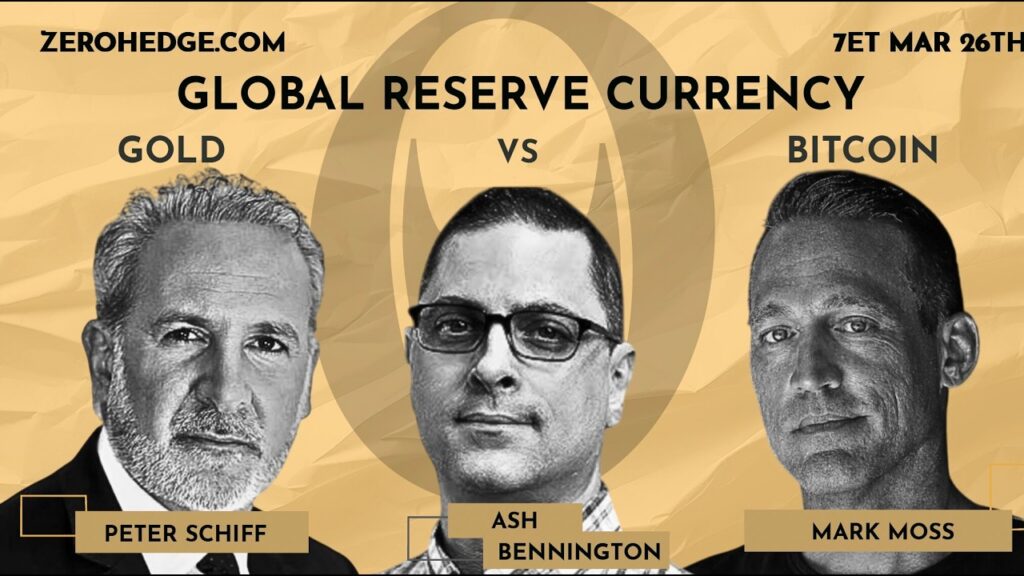
Schiff vs. Moss: Gold is the Superior Reserve Currency
On Thursday, Peter faced off against Mark Moss in a ZeroHedge debate to lay out a clear, market-focused case for gold and a skeptical case against Bitcoin. He argues that central banks are quietly shifting away from the dollar into gold because they no longer trust the ability of the U.S. government to repay debt […]

Deflation Isn’t the Danger – The Fear of It Is
Over a century of central banking has instilled an irrational fear of falling prices in the American public. But the reality is that falling prices are what make our economic lives better, and inflation, the regime’s preferred monetary policy, is far worse than deflation. The following article was originally published by the Mises Institute. The […]
Schiff w/ La Roche: The Fed Should’ve Hiked
Last week, Peter joined Julia La Roche to discuss the Fed’s latest antics after Jerome Powell announced that rates will be held steady for at least another FOMC meeting cycle. Peter responds, warns that the consequences of the Fed’s inaction will be higher inflation, a weaker dollar, and a reassessment of what people consider real […]
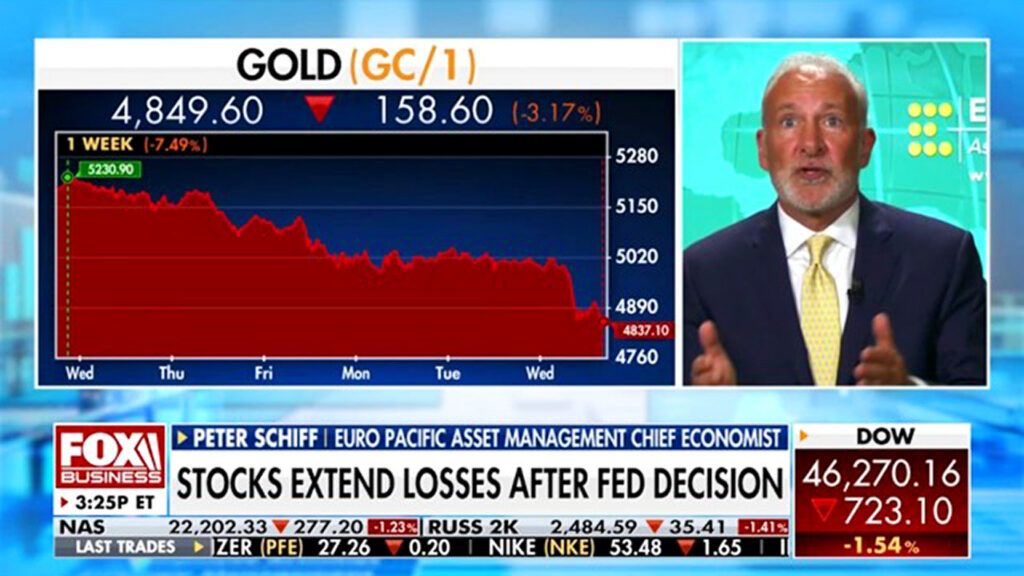
Schiff on Fox Business: The Fed Just Admitted It’s Powerless
On Wednesday Peter appeared on Fox business to dissect the latest PPI figures and the Fed’s newest decision to hold rates steady. Peter argues the Federal Reserve is out of touch, inflation is already running hot, and recent geopolitical shocks will only make a fragile U.S. balance sheet worse. To support his case, he walks […]
Peter Schiff: The Fed Let Inflation Live
On Wednesday’s episode of the Peter Schiff Show, Peter responds to the Federal Reserve holding–rather than hiking– rates yet again. He walks through recent producer prices, GDP, and mortgage activity data to show why these signals mean real rates are likely to turn negative again, a dynamic that favors gold and punishes the dollar. The […]

War Is On, Oil is Up, Inflation is Coming
Wars always expose economic weaknesses that already exist. And now, as old patterns repeat themselves, we’re seeing higher energy prices, larger government deficits, and rising inflation catalyzed by the US campaign against Iran. The developing situation inIran has already sent shockwaves through global energy markets, pushing oil prices sharply higher and reigniting fears of inflation. […]
Why Governments Don’t Determine Money’s Value
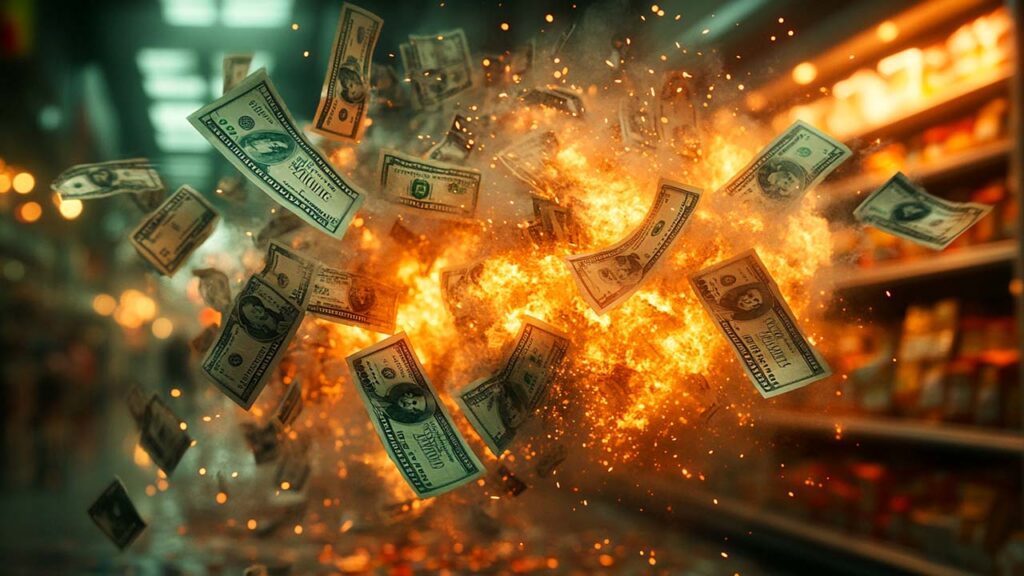
With inflation still running hot and disastrous jobs data coming in, it’s tempting for policymakers to spread myths about the economy, particularly around the origin and nature of money. As the Austrian school demonstrates, fiat money– and all money for that matter– does not derive its value from dictates of the government. The following article […]

The Incentives Behind Our Perpetual Debt
It is no secret that the US Federal Government has great difficulty getting out of and staying out of debt. Whether the State even possesses the power or willpower to get out of debt is not even asked, as Keynesian principles have lionized debt and removed the historical stigma. Things that would not be seen […]
Schiff on Redacted: This War is a Distraction
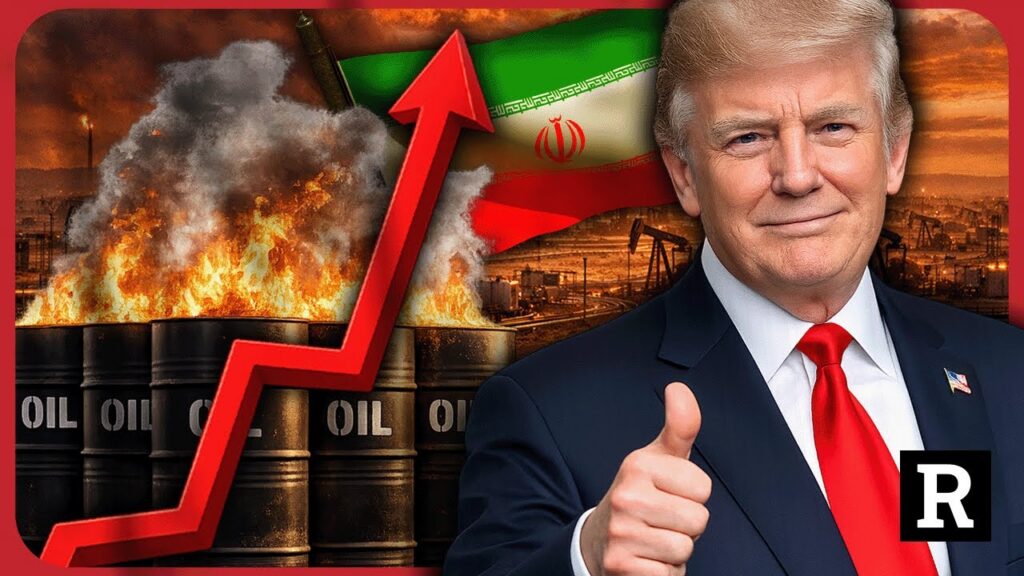
Peter recently joined Clayton Morris on the Redacted YouTube channel for an interview on the latest economic and geopolitical news. The duo focuses on the economic and geopolitical fallout of a widening Middle East war, and Peter argues that it is already reshaping markets, energy flows, and monetary outcomes. He connects the conflict to higher […]
Schiff w/ Diesen: War Will Wreck the Economy
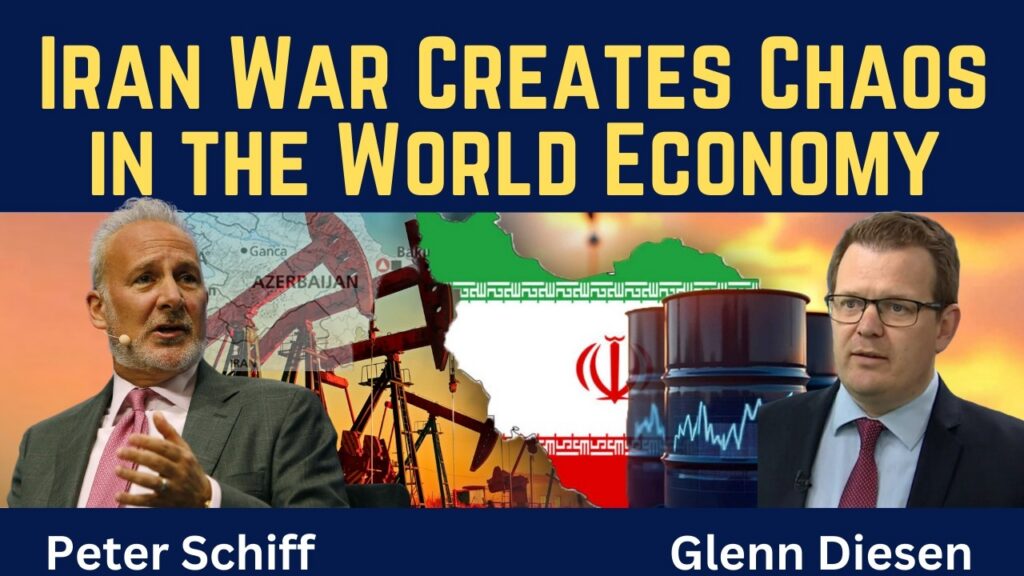
In his latest interview with Glenn Diesen, Peter focuses on the economic fallout from the recent war and what it means for jobs, inflation, and the dollar. He argues policymakers are stampeding toward more debt and money printing at exactly the wrong time, which makes gold and silver an increasingly sensible hedge for savers who […]
 Live Chat
 Email:
  Phone: 1-888-465-3160