Peter's Blog
Get the latest headlines, market analysis, and original content from SchiffGold.
Posts Tagged: “savings“

The Keynesian Demand Fallacy
Keynesian economists often attribute economic downturns to insufficient aggregate demand, arguing that government intervention is necessary to boost spending and restore growth. However, this theory fails to recognize that consumer demand is not an independent variable but rather a consequence of prior production and savings. The following article was originally published by the Mises Institute. […]

Exclusive Weekly Email Updates
Peter Schiffs's Gold News
 Original Analysis
 Videos
 Interviews
 Guest Commentaries
 Key Gold Headlines
 Gold Scams Exposed
 Exploring Finance
Why Printing Money Doesn’t Create Prosperity
Mainstream economists often argue that increasing the money supply is necessary to stimulate economic growth. However, Austrian economists have long recognized that monetary expansion merely creates the illusion of prosperity while sowing the seeds of future crises. Printing money cannot create real wealth or productive resources, but instead distorts economic calculation and leads to malinvestment. […]
Can Consumption Create Wealth?
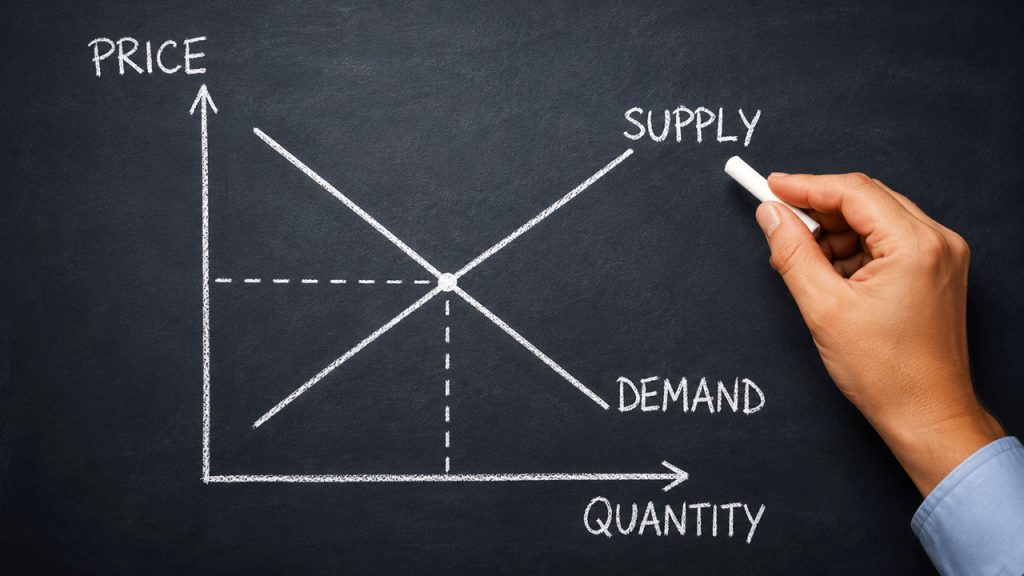
Most Americans are familiar with the Keynesian idea that government spending and money creation can stimulate a sluggish economy by boosting demand. What those not versed in Austrian economics may not appreciate is that this framework gets the causal order exactly backwards: production must come before consumption, and genuine demand can only arise from prior […]
Trust the Market, Not Government Stimulus
Some commentators are of the view that one cannot trust the market economy, which is seen as inherently unstable. If left free, the market economy could lead to self-destruction. Hence, there is the need for the government and the central bank to manage the economy. It is held, in this framework, that successful management could be achieved […]

Interest Rates Are Set by People, Not Central Banks
Interventionists see interest rates as a key policy parameter set by central bank bureaucrats, betraying a crucial misunderstanding about the nature of interest. In reality, rates are determined by individual time preference– the willingness to trade off future and present consumption. The following article was originally published by the Mises Institute. The opinions expressed do […]
How Inflation Undermines Culture and Values
Inflation has come to be one the defining economic phenomena of this generation. As the money supply grows seemingly without end, it’s easy to miss how the erosion of our money wreaks both economic and – more subtly– cultural havoc.

What’s Behind the Logic of Today’s U.S. Tariff Policy?
Last week the Trump administration hinted at the possibility of new tariffs that would target the European Union and tech giant Apple. As the presidency continues to flip flop on this issue, American citizens should only conclude that the protectionist right is hopelessly deluded on trade.
Schiff on Soar Financially: Tariffs Spell Economic Pain
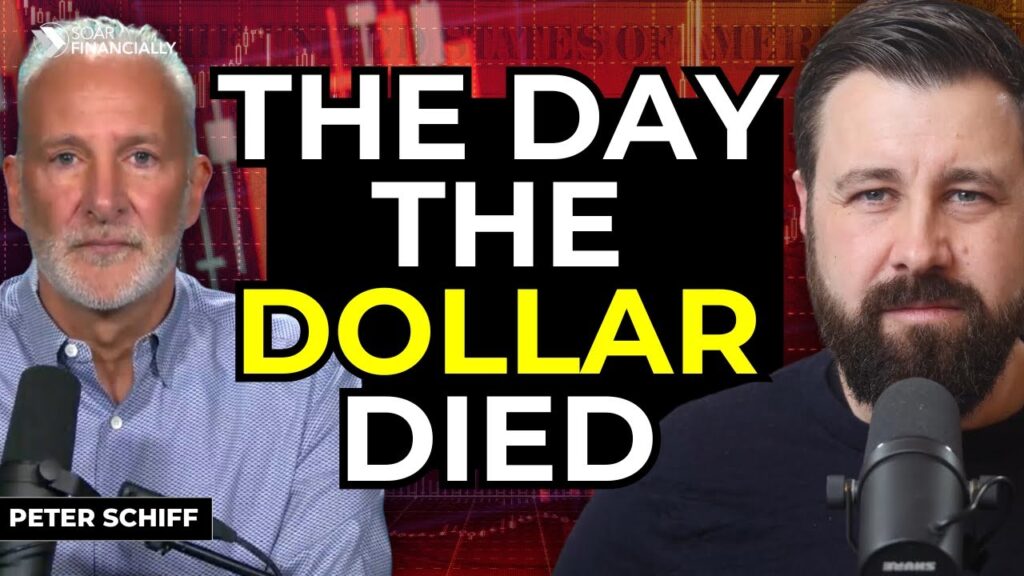
On a recent appearance on the Soar Financially YouTube channel, Peter discusses Trump’s tariffs, currency concerns, and the shaky state of the U.S. economy. Peter explains why tariffs won’t revive U.S. manufacturing, warns of worsening damage from a weakening dollar, and advises investors to recognize the ominous signs pointing toward a bear market.
Rising Long-Term Interest Rates: The Hidden Impact of High Time Preference
In the wake of last week’s FOMC meeting, it’s worth revisiting the economic function of interest rates, which guide economic activity in accordance with societal time preference. In order to suppress the natural rate of interest, central banks must resort to inflation.
Can Government Stimulus Truly Prevent Recessions?
Conventional wisdom says that the government can help (or is even required to) stimulate the economy, especially during a recession. As mounting evidence grows for a recession happening right now, it’s worth examining how this conventional wisdom is completely wrong and backwards. The government is typically the primary cause of recessions.

Americans Increasingly Tapping Into Their Retirement Accounts to Make Ends Meet
“Resilient” American consumers are digging into their retirement funds to pay their bills. Mainstream financial pundits, politicians, and Fed officials keep telling us the economy is strong because Americans keep spending money. They just assume this is a sign of economic strength without ever asking exactly how they’re paying for all of this “robust” spending.
 Live Chat
 Email:
  Phone: 1-888-465-3160