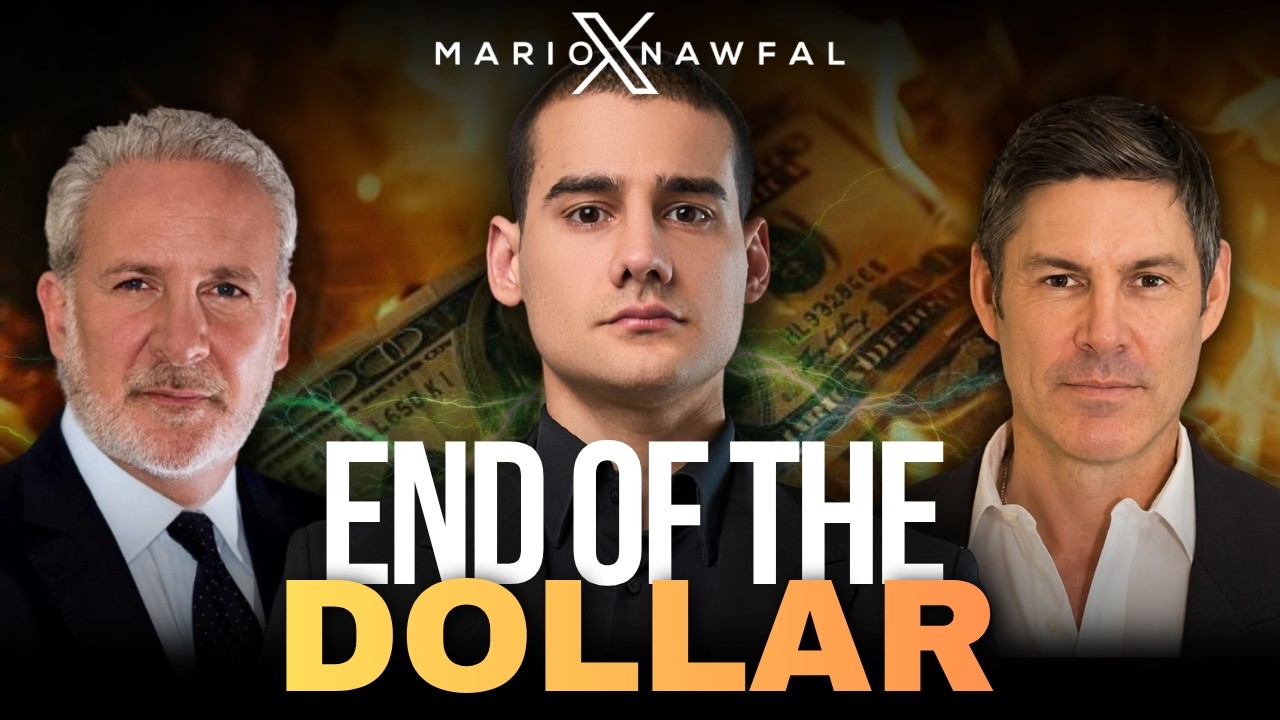
Schiff vs. Gammon: US Treasuries are Turning Toxic
Last week, Peter squared off against George Gammon in a lively debate on the future of the U.S. dollar, moderated by Mario Nawfal. The two economic commentators debate the sustainability of America’s fiscal trajectory, the role gold could play as central banks diversify away from the dollar, and the risk of a full-blown currency crisis. Peter also draws historical parallels to the inflationary chaos of the 1970s, warning that similar dynamics may already be in motion.
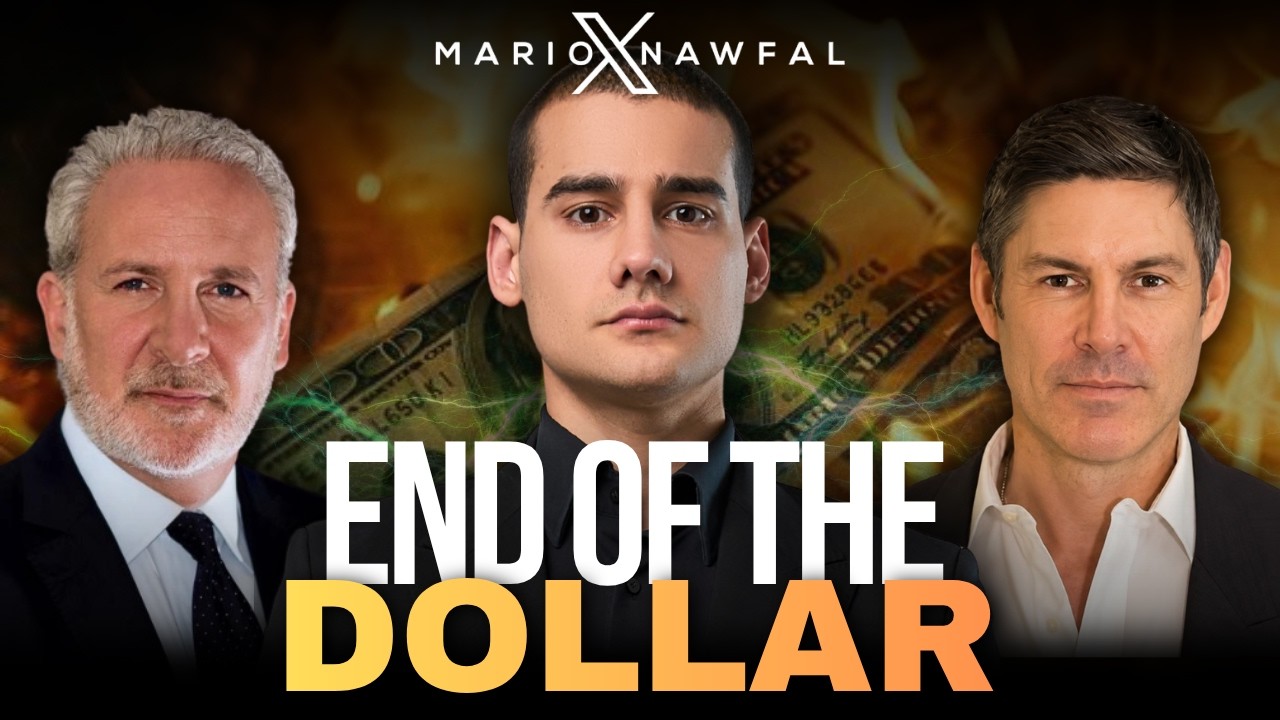

Peter opens by laying out the sobering math behind Washington’s spending habits, pointing out that neither party in Washington shows any real appetite for fiscal restraint:
The deteriorating financial position of the United States clearly necessitates moving out of U.S. treasuries. We’re running two, three trillion dollar a year deficits as far as you can see, if not higher than that, if you really look out. And when you see President Trump talking the other day about sending everybody a $5,000 check, nobody cares about the deficits. Just print money, send everybody checks. Nothing’s going to be cut.
Given that backdrop, Peter turns to why physical gold, especially gold held outside the reach of foreign governments, holds an advantage that paper assets simply can’t match. He notes that unlike treasuries, bullion stored domestically is immune from the kind of financial warfare that has become increasingly common:
But if you own gold, and more importantly, if you vault it in your own borders, no one’s taking it. We can’t take your gold unless we invade you. We need troops on the ground to get in there and get your gold. So that’s a lot less likely than a sanction, an economic sanction. So there’s so many reasons that foreign central banks are going to move.
Building on that point, Peter speculates that modern technology could soon make gold not just a store of value, but a practical medium for settling large international transactions. He sees tokenization as a bridge between gold’s timeless reliability and the demands of a digital economy:
And interestingly enough, I think that one of the main alternatives is going to be gold. I think that with the technology we have now to tokenize gold or other ways that we can allow private parties to buy and sell and settle those trades in gold, I think that’s going to be a direction that you’re going to see. Because I think there’s going to be a lot more stability and visibility, especially for long-term obligations. If they’re denominated in gold rather than US dollars.
Shifting focus to the domestic banking system, Peter argues that the health of America’s largest financial institutions is something of an illusion, entirely dependent on government backstops rather than sound balance sheets:
Well, I think all of the major US banks would fail if the government pulled its support. So if the US government basically said, look, there’s no more deposit insurance, the institutions have to stand and fall on their own credit worthiness, I think all the major banks would fail. I think it’s only because the government has propped them up. And I think that they’re all going to fail even with the government supports, except that they won’t fail because they’ll get bailed out.
To close, Peter reaches back to the 1970s for a real-world example of just how dramatically a currency can lose purchasing power in a relatively short period of time. He reminds listeners that the damage back then wasn’t confined to gold, it showed up broadly against other major currencies as well:
Why did the dollar lose so much value during the 70s? Not only against gold where it got destroyed, right, where you could buy an ounce of gold for thirty five dollars and then you needed eight hundred dollars to buy the same ounce of gold. But during the same decade or a little over, the dollar went from buying four Deutschmarks to one and a half Deutschmarks. It went from buying three hundred and sixty yen to buying about one hundred and fifty yen.

 Live Chat
 Email:
  Phone: 1-888-465-3160