Peter Schiff: Inflation Comes From Washington
In Friday’s episode of The Peter Schiff Show, Peter connects the dots between Washington’s fiscal choices, Federal Reserve policy, and the asset bubbles those choices create. He covers inflation’s true drivers, the hidden costs of today’s tech buildout, why Bitcoin is vulnerable, and why gold and silver remain the prudent hedge for savers. He closes by reminding listeners how government guarantees create private value at the taxpayer’s expense.

Peter opens by explaining where inflation actually originates and why growth is not the culprit this cycle:
Growth doesn’t cause inflation. The Federal Reserve does and he [President Trump] does with the U.S. Congress and their massive deficit spending. So inflation is a byproduct of the U.S. government and the Federal Reserve working together to expand money supply, stimulate demand, increase credit. That’s where all the inflation is coming from. It doesn’t come from economic growth and we don’t really have economic growth. We have inflation masquerading as growth
He then turns to one of the big cost centers of the moment: the hyperscalers’ arms race to build out data centers for artificial intelligence, and he asks the fundamental question about financing those trillion-dollar commitments:
I’ve been talking about the fact that we’re investing all of this money in building out the data centers and all the infrastructure for supporting artificial intelligence. Whether we end up needing it or not, who knows, but there’s the equivalent of an arms race going on with the hyperscalers. And I’ve always been saying, where’s all the money going to come from? We’re talking about the trillions of dollars, this massive capital investment. How is it being paid for?
Switching to crypto, Peter outlines a simple but devastating mechanic for any firm that promises yield backed by Bitcoin reserves, like Strategy and its preferred stock, “Stretch.” The more the price falls, the more assets must be sold, which pushes the price down further:
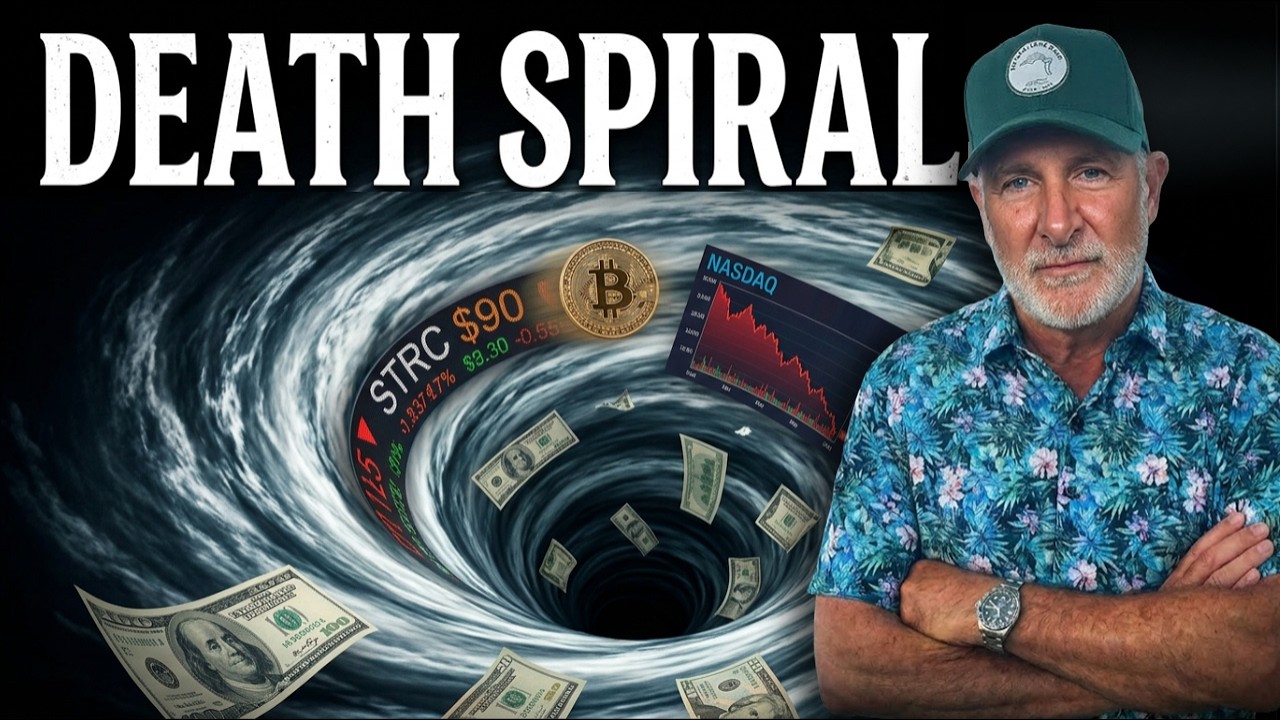
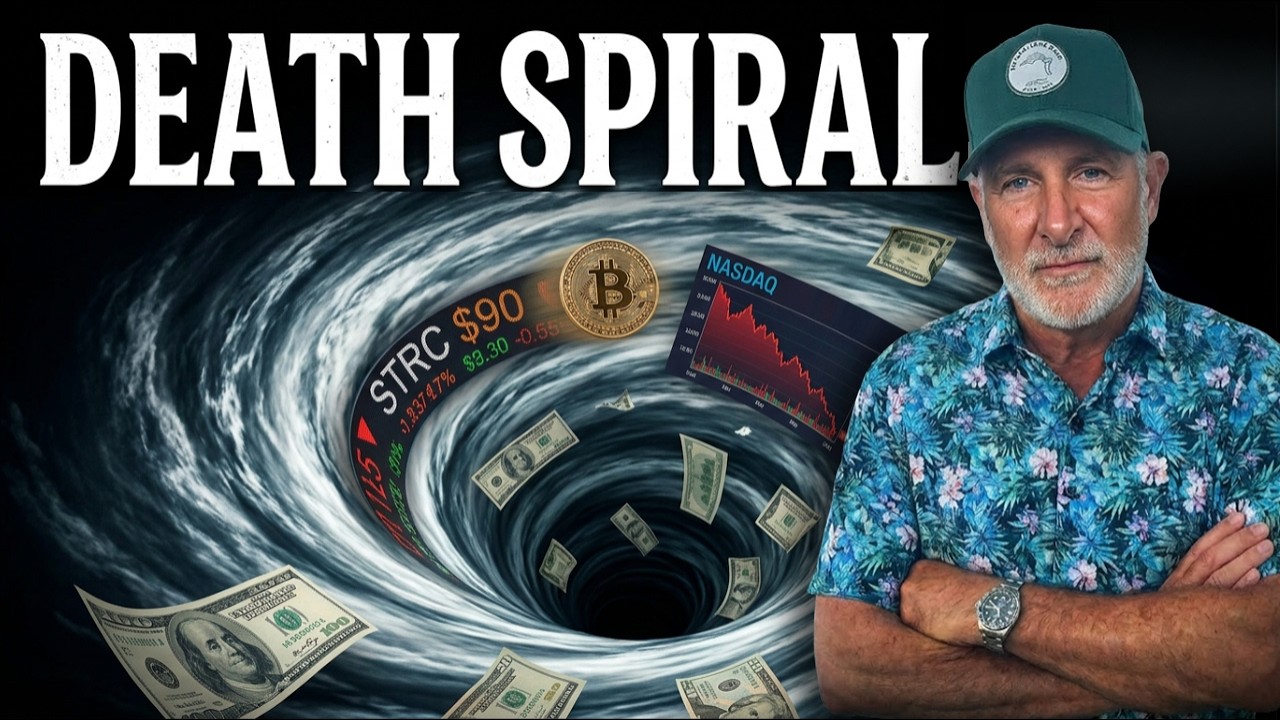
And the only way he can pay the dividend once he depletes his cash is by selling Bitcoin. But the problem there is Bitcoin is going down. So the lower the price of Bitcoin, the more Bitcoin he has to sell to raise the money to pay the yield. But as the price of Bitcoin goes down, that puts more downward pressure on Stretch. And as Stretch goes down, then he has to raise the dividend again. But raising the dividend again means he has to sell more Bitcoin to pay it, which puts more downward pressure on Bitcoin, which puts more downward pressure on Stretch, which means he’s got to raise the dividend again. It is a self-perpetuating death spiral.
After undercutting the crypto narrative, Peter shifts back to real assets and explains who is doing the buying in gold and silver (long-term owners, not short-term trading algorithms) and why current conditions favor accumulating physical metal now:
The real flows, the real money that’s buying gold and silver is going to buy this dip, right? They’re not trading with these programs. They’re buying to own the assets and they’re going to keep buying because everything that’s happening right now is bullish, which is why I would recommend this is a great weekend, by the way, to buy gold and silver. I think we could potentially have a big drop in the stock market on Monday unless the Trump administration does something to prevent it. But anything they do to prevent it is going to be very bullish for gold and silver.
Finally, he reminds listeners how implicit government guarantees create private value by socializing losses and privatizing gains, a point that applies not only to banking rescues but to government-sponsored enterprises like Fannie Mae and Freddie Mac:
The only reason Fannie and Freddie have value as private companies is because the taxpayer is on the hook for the losses. That is the value. The value was the implied or implicit guarantee that Trump wanted to make explicit that the US government stands behind the company. So it was socialized losses and privatized gains. That was the value in the private market, that you had a monopoly on issuing or ensuring mortgages with a government guarantee. But to the government itself, Fannie and Freddie have no value. That’s all nonsense.

 Live Chat
 Email:
  Phone: 1-888-465-3160