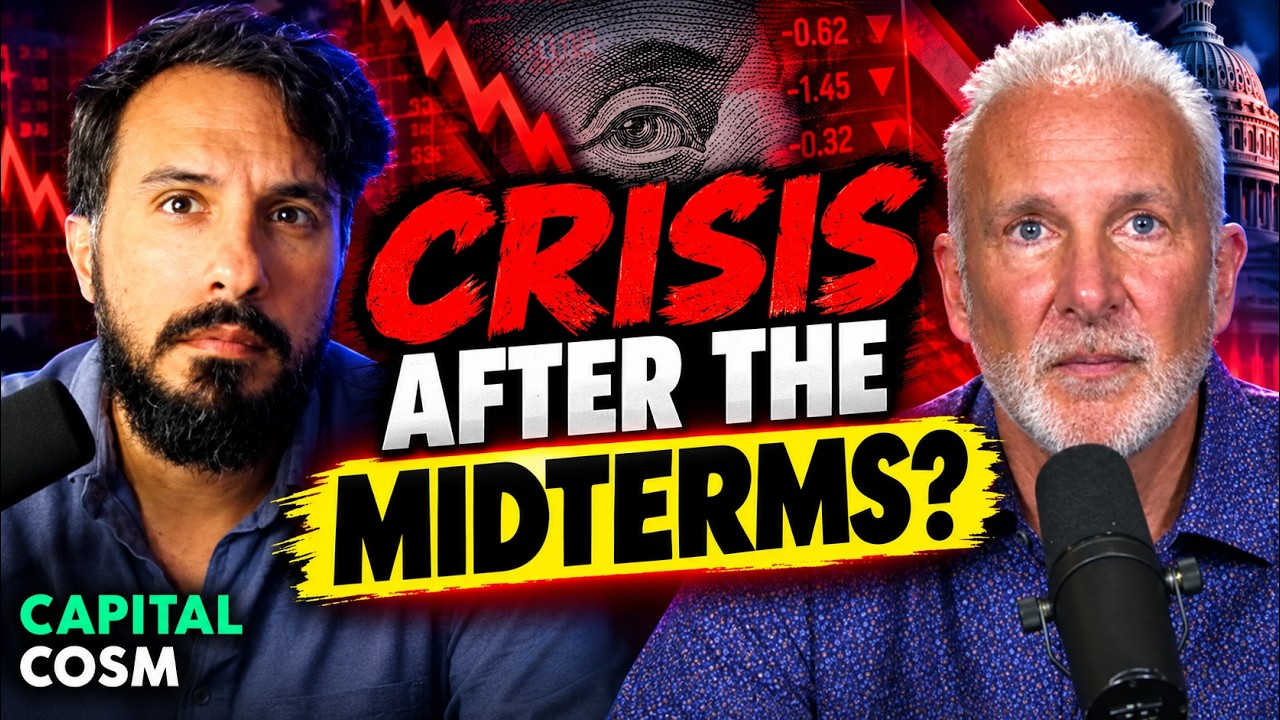
Schiff on CapitalCosm: Trump’s Economy is a Fantasy
Peter recently joined Danny on the CapitalCosm podcast to discuss the state of American politics and the economy heading into the midterms. He takes aim at Trump’s self-mythologizing rhetoric, the bipartisan appetite for reckless spending, and the political risks facing Bitcoin, all while explaining why mounting debt and inflation continue to make the case for gold and silver.
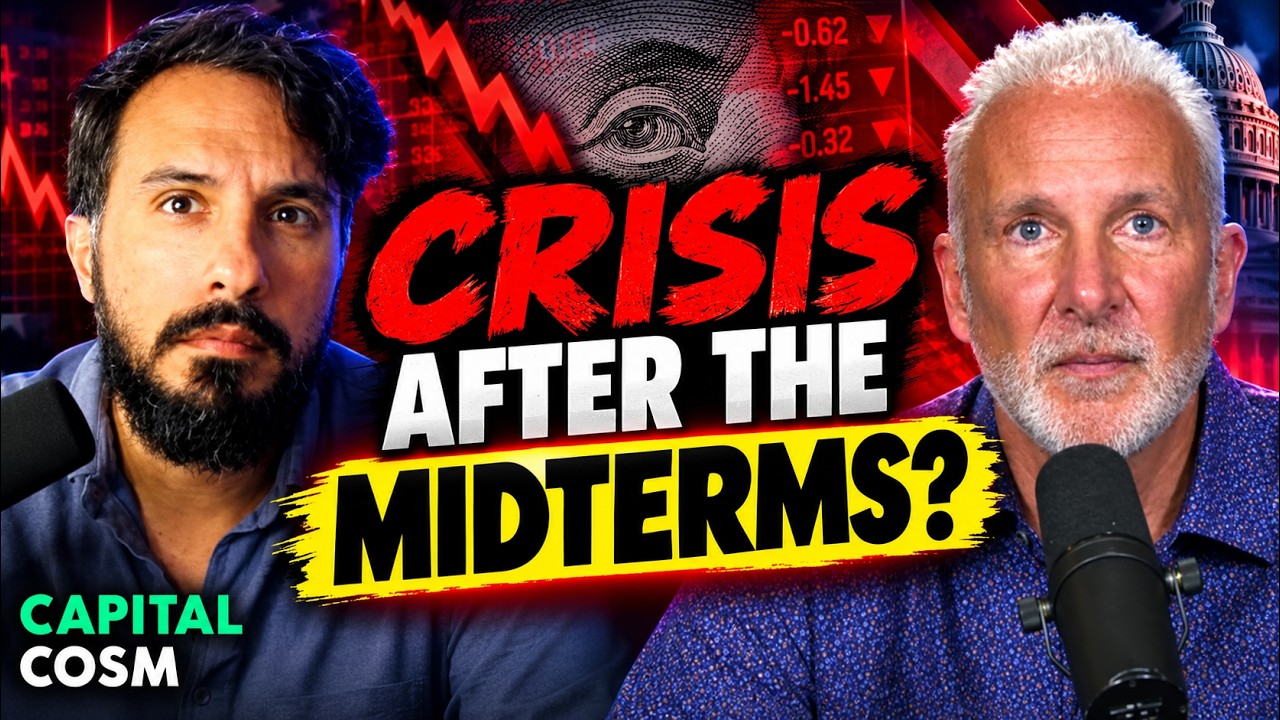

Peter opens by dissecting Trump’s claim of striking a deal with Iran that, as far as anyone can tell, never actually happened. He argues this episode captures something essential about how Trump operates:
So the deal was an imaginary deal that existed in the mind of Donald Trump. He claims that they agreed to a deal because he told them there was a deal. He said there was a deal. And so there’s a deal, which I think really sheds a light on the entire Trump presidency because I think he sees everything through that prism. So we have the greatest economy in the world. Why? Because I said so.
From there, Peter turns to the political theater surrounding stimulus checks. He points out the awkward position Trump put himself in by proposing direct payments to everyone, rich and poor alike:
Trump wanted to give $5,000 to everybody, including the rich. So the Democrats will say, look, we don’t wanna give it to the rich. They don’t need the money, but let’s give it to everybody else that needs it. And how is Trump going to oppose it after having been the one that proposed it? It’d be like sour grapes.
Peter then highlights a strange contradiction buried in Trump’s own campaign warnings. By predicting economic catastrophe if Democrats win, and Peter notes that Trump is effectively forecasting the very outcome the polls suggest is coming:
But Trump is saying if the Democrats win, we’re gonna have a 1929 depression, not we might have one, we’re going to have one. Well, as you just read, the odds are that the Democrats are going to win. That’s the most likely outcome. So that means Donald Trump is actually predicting a 1929 depression. That’s what he says is most likely going to happen.
Shifting from politics to markets, Peter lays out why rising interest rates and spiraling debt create a feedback loop that keeps pushing precious metals higher. He explains the mechanics behind why gold and silver benefit as the fiscal situation deteriorates:
All of this stuff is bad news for the economy and good news for gold. Higher inflation, rising debt is bullish for gold. And as interest rates go up, as bond yields go up, that automatically increases the budget deficits because it increases what we have to pay to finance the national debt. And those extra interest payments themselves increase the actual budget deficits. So rising rates makes the budget deficits bigger, which is bullish for gold and silver.
Peter isn’t impressed by promises of fiscal discipline either, pointing to the so-called Department of Government Efficiency as a prime example of spending-cut theater that produced no real results:
It was just like Elon Musk coming to Washington with Doge, right? Oh yeah, we’re serious about cutting spending. Look, we got Elon Musk. He’s coming. He’s got the Department of Government Efficiency. Yeah, what did Doge do? Nothing. It was all just a big show.
Finally, Peter addresses the crypto crowd’s political blind spot. He warns that Bitcoin holders are underestimating how quickly the political winds could shift against them if Democrats retake Congress:
I think the Bitcoin bros are downplaying the significant risks of the Democrats taking the House and the Senate. I think that’s gonna recreate a very hostile environment to Bitcoin on Capitol Hill. Yes, you’ll still have the president protecting you, but Congress will be going after you and Trump will only be in office at most another two years unless he ends up resigning before he finishes those two years or gets kicked out.

 Live Chat
 Email:
  Phone: 1-888-465-3160