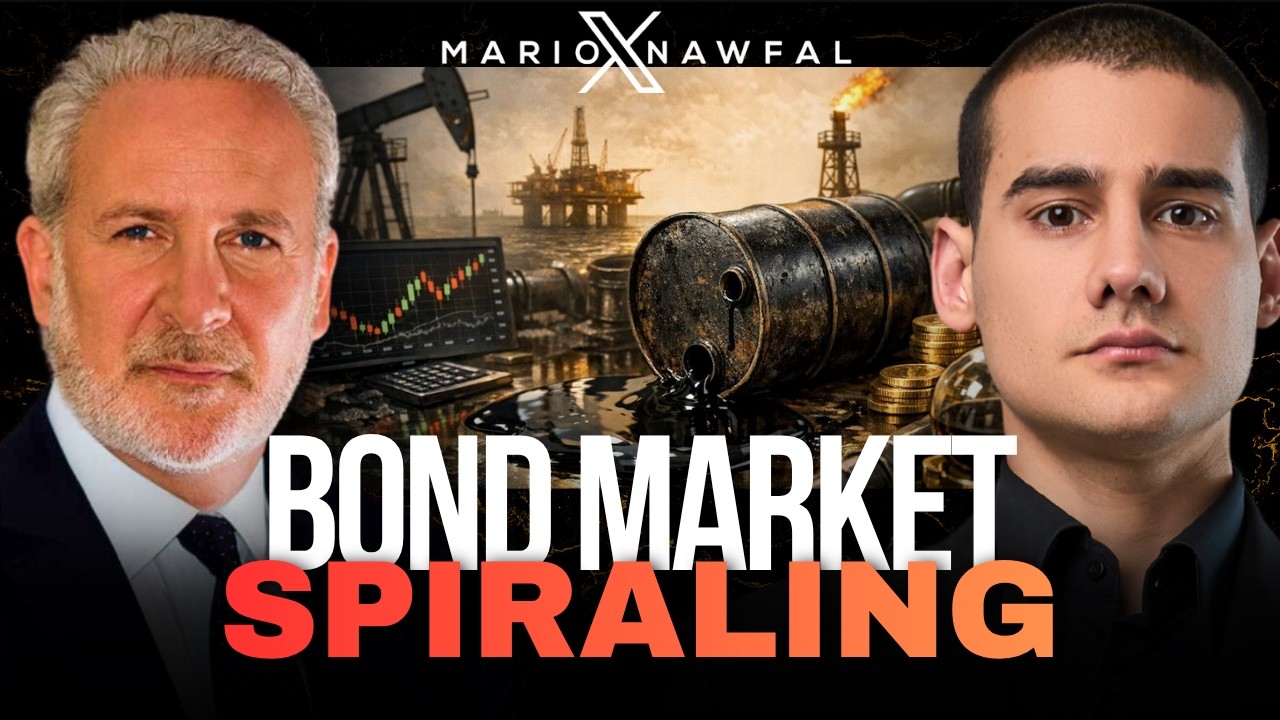
Schiff w/ Nawfal: Trump is in Denial
In his latest interview with Mario Nawfal, Peter walks through why the US economy is entering a dangerous new phase defined by both record debt and climbing interest rates. He connects this looming crisis to the housing market, inflated net worth figures, and the political theater surrounding tariffs and stimulus checks, before closing with his case for gold as the last safe haven standing.
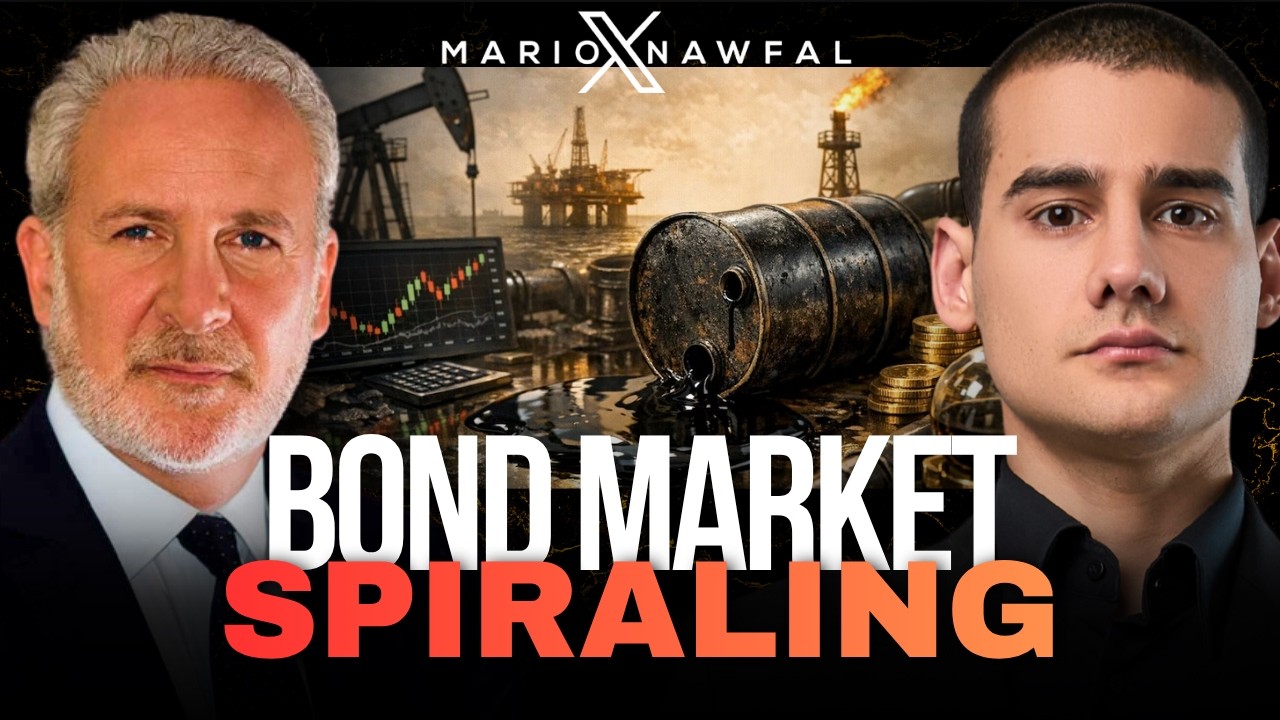

Peter opens by laying out the stage he believes the economy has now entered, one where ballooning debt collides with rising rates:
Well now we’re entering phase four, which is high debt and high interest rates. Of course, we’re going to have the highest debt we’ve ever had. And we may even have the highest interest rates we’ve ever had at the same time. And so this whole economy is going to implode because it’s built on a foundation of debt, which is unserviceable.
From there, Peter zeroes in on housing, arguing that today’s prices simply can’t coexist with where mortgage rates are headed. He warns that the inevitable reset will be brutal for homeowners and lenders alike:
When mortgage rates go back to 9%, 10%, 11%, 12%, which is where they’re going, nobody can afford, at least not most Americans, can afford to buy a house at today’s prices. It’s just impossible. So the only way to allow a transaction is for the house price to collapse. And that has its own consequences because for a lot of Americans that means bankruptcy, they’re wiped out, that’s their biggest asset, they’ve lost it, and it means a lot of banks, the lenders who have loaned a lot of money to homeowners, well they’re going to experience severe losses.
Peter then turns to the broader illusion of American wealth, explaining that much of the so-called prosperity reflected in net worth statistics is really just a side effect of inflation rather than genuine productivity or savings:
The problem is a lot of that isn’t because people have created a lot of new wealth. A lot of it is just driven by rising asset prices. And that’s been the consequence of inflation. So the same monetary policy that’s making things at the grocery store so expensive, it’s also making stocks more expensive. That calculates positively into people’s net worth.
Shifting to politics, Peter criticizes Trump for recognizing the scale of the debt problem but lacking the willingness to confront it honestly. Instead of spending cuts or direct tax increases, Peter says the administration prefers to disguise tax hikes as tariffs while still promising more handouts:
I guess Trump realizes that the debt is so big that we’re going to have a crisis, and he doesn’t have the political courage to even try to deal with it by spending cuts or tax hikes, although he’s willing to raise taxes so long as he can call it a tariff. So he likes tariffs, but he doesn’t like any other taxes. But he doesn’t like cutting government spending, that’s for sure. In fact, he wants more government spending. He wants to send everybody checks for $5,000, right? So he’s a big spender.
Peter pushes this point further, suggesting that Trump’s willingness to promise cash payouts even amid talk of economic collapse reveals a troubling contradiction, whether it stems from political calculation or denial about what lies ahead:
Since the odds are pretty strong that the Democrats will, in fact, win, Donald Trump clearly believes that we’re headed for a 1929 style depression. So I mean, either the president is just lying or he actually believes that we’re headed for depression or he’s so delusional into believing that the Republicans are actually going to win. But, you know, the other thing that’s going to be difficult, he’s promised $5,000 a person. That’s crazy.
Finally, Peter brings the conversation back to where he thinks investors should actually be looking for safety. As confidence in government debt erodes, he argues gold remains the one asset that holds up when everything else built on unsustainable borrowing starts to break down:
I think the better rally and the more sustainable rally will be in gold. So that’s what I would be buying, you know, with my money. If I was getting out of treasuries, it’s like gold’s a much better safe haven because gold is actually a safe haven from treasuries because if treasuries are going to crash, where do you go? You know, gold is the last safe haven standing in that environment.

 Live Chat
 Email:
  Phone: 1-888-465-3160