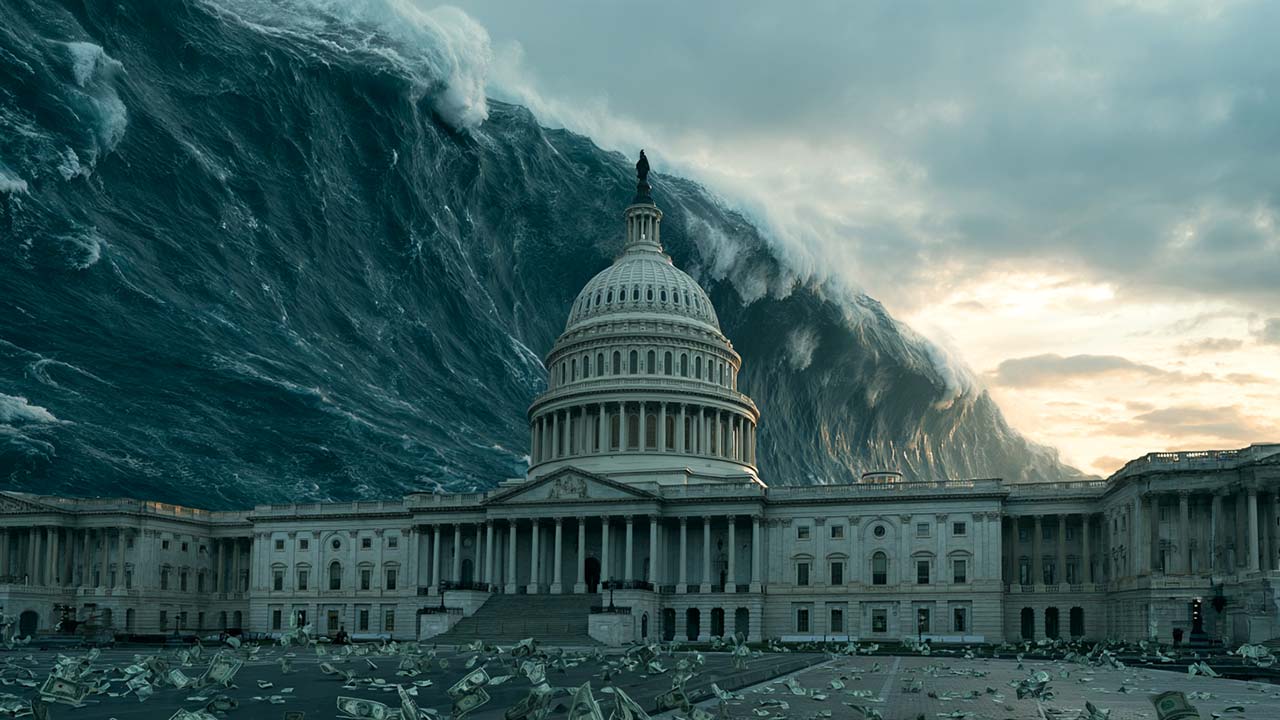
The Blue Wave Was Economic
The Democrats are still basking in the afterglow of their Blue Wave; a sweeping run of victories in the 2026 midterm elections, with historic wins even in states like Texas known as being extremely safe for Republican candidates. Their victory should come as a surprise to no one.
The so-called Blue Wave is a reminder that the state of the real economy, as experienced by ordinary Americans, is ultimately the most powerful force determining who wins and loses elections. The Iran War played a role. The authoritarian optics of ICE round-ups probably contributed, too (as did many other things). Policies, personalities, and platforms matter, but ultimately, they never matter as much as whether or not the American voter feels prosperous or poor at any given time.
A huge part of Donald Trump’s 2024 White House victory was his campaign against “Bidenflation.” His hollow tirades promised to restore prosperity, bring down prices, revive American industry, and make the economy work for ordinary Americans again. His administration promised that tariffs would generate revenue, DOGE would eliminate waste and reduce government spending, and the resulting savings would help deliver tax relief. The message was that Americans had suffered through years of economic mismanagement and that things would finally get better.
But he didn’t deliver.
Two years later, Democrats capitalized on widespread frustration with the economy, winning control of both chambers of Congress. According to CBS exit polling, more Americans said their financial situations had deteriorated than improved since 2024. Inflation was still a hardship that the Fed can’t reign in, and voters who viewed the economy negatively overwhelmingly favored Democratic candidates. Nearly nine in ten voters identified the cost of living as a major factor in their decisions, and it’s no surprise that Trump’s campaigning on the economy backfired when voters felt it getting even worse under his term.
While not always the case, voters didn’t necessarily embrace Democratic economic policies. They simply weren’t satisfied with the results delivered by Republicans. Democrats didn’t have to convince Americans that their own proposals would produce prosperity. They only had to convince enough voters that the current administration wasn’t delivering it. That’s at the core of how elections work: The party in power gets the credit when people feel prosperous and takes the blame when they don’t. The specifics of competing economic platforms, monetary policy, and other economic and financial intricacies often become secondary to the immediate reality of household finances.
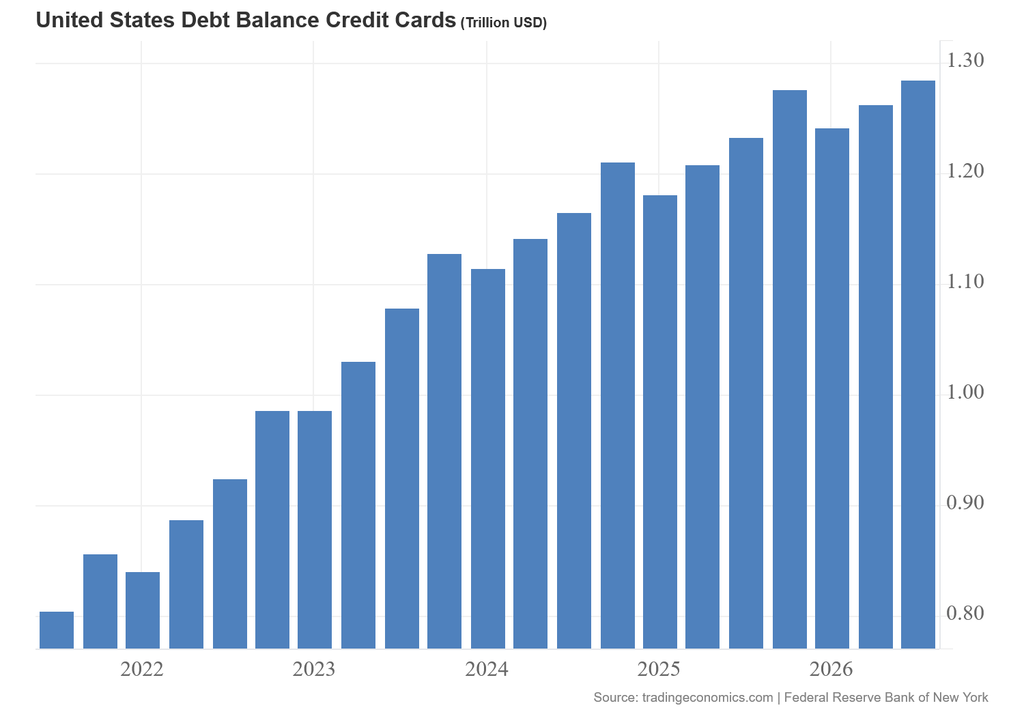
US Credit Card Debt, 2022 to Present
Trump’s 2024 victory demonstrated this just as clearly. He successfully made the Biden administration’s handling of inflation and affordability a central campaign issue, so voters who had grown frustrated with rising prices were willing to give Republicans a chance. But Republicans inherited an electorate desperate for tangible improvements, and what they got instead was a different explanation for why everything remained expensive. No one fixes the underlying problems, which go beyond one administration or another.
Inflation is fundamentally a monetary phenomenon, sustained by the expansion of the money supply. Neither party wants to confront the money printers or fiscal excesses driving the problem. Republicans blame Democrats for Bidenflation, Democrats blame Republicans for Trumpflation, and both continue supporting spending commitments that contribute to the erosion of the dollar’s purchasing power while the machinations of central banking schemes continue to churn.
The result is a revolving door: Americans become frustrated with one administration, elect the opposition, and eventually become frustrated with that administration as well. The party labels change, but the underlying economic problems go nowhere. And no matter which side gets voted in, the same Fed keeps devaluing the dollar, all while both sides blame the other and ascribe the problem to politically-expedient bugaboos like “price gouging” and “corporate greed.”
Higher prices from inflation amount to a tax that finances government spending, and neither party has demonstrated a willingness to eliminate that tax by getting spending under control, removing the Fed’s power to dictate interest rates and print money, or returning to the gold standard to enforce fiscal discipline.
This is why arguments about the supposed superiority of one party’s economic philosophy often miss the point. Ideas matter, but a voter struggling to afford groceries, insurance, rent, or a mortgage isn’t necessarily evaluating competing theories of taxation, trade, or government spending. They’re evaluating whether life is getting easier or harder. If the economy feels weak and their purchasing power continues shrinking, dissatisfaction with the incumbent will overwhelm promises about what the opposition might do differently.
As long as the Fed exists, the dollar’s purchasing power will continue to shrink in the long-term from constant inflation. But administrations know this, which is why they beg the “non-political” central bank for lower interest rates while they’re in office, guaranteeing more pain later on while creating the sense of an economic boom that they can then take credit for.
2028 will be the same, but in reverse. The economy is vulnerable to a major recession from an array of intersecting factors like the potential for a frothy AI market triggering falling asset prices, business failures, corporate layoffs, and declining consumer spending. Spending will never be reigned in, and consumer debt will continue to rise. Meanwhile, rather than fiscal restraint, Washington will respond with even more spending.
If recession arrives, annual deficits currently running around $3 trillion would skyrocket higher.
The Federal Reserve would ultimately be pressured to finance those deficits through another enormous round of quantitative easing, further undermining the dollar and driving consumer prices higher.
If that scenario unfolds, Americans could enter the next presidential election facing an even worse combination: economic stagflation, declining asset values, unemployment, and renewed inflation like we’ve never seen before. The political consequences would be dire regardless of which party occupies the White House.
The lesson of the Blue Wave is that voters don’t have to understand monetary policy, fiscal deficits, or central banking to recognize when their standard of living is deteriorating. They simply have to experience it.

 Live Chat
 Email:
 Phone: 1-888-465-3160