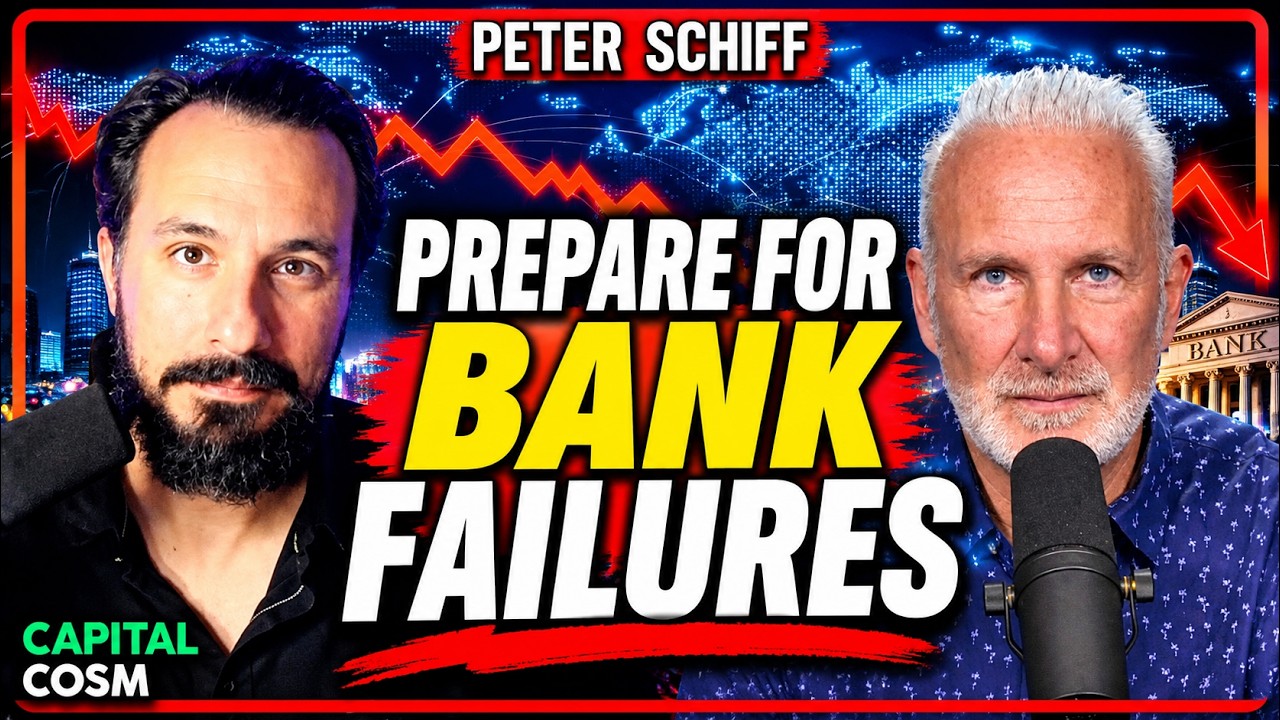
Schiff on CapitalCosm: The Fed’s Inflation Fight is a Facade
On Monday, Peter appeared on the CapitalCosm podcast to unpack the Federal Reserve’s latest rate decision, the political fallout from America’s affordability crisis, and the dangers lurking in both the bond market and government-sponsored mortgage giants. He explains why the Fed’s so-called tightening is actually loosening in disguise, and why both Trump and Biden have misdiagnosed the economic pain facing ordinary Americans.
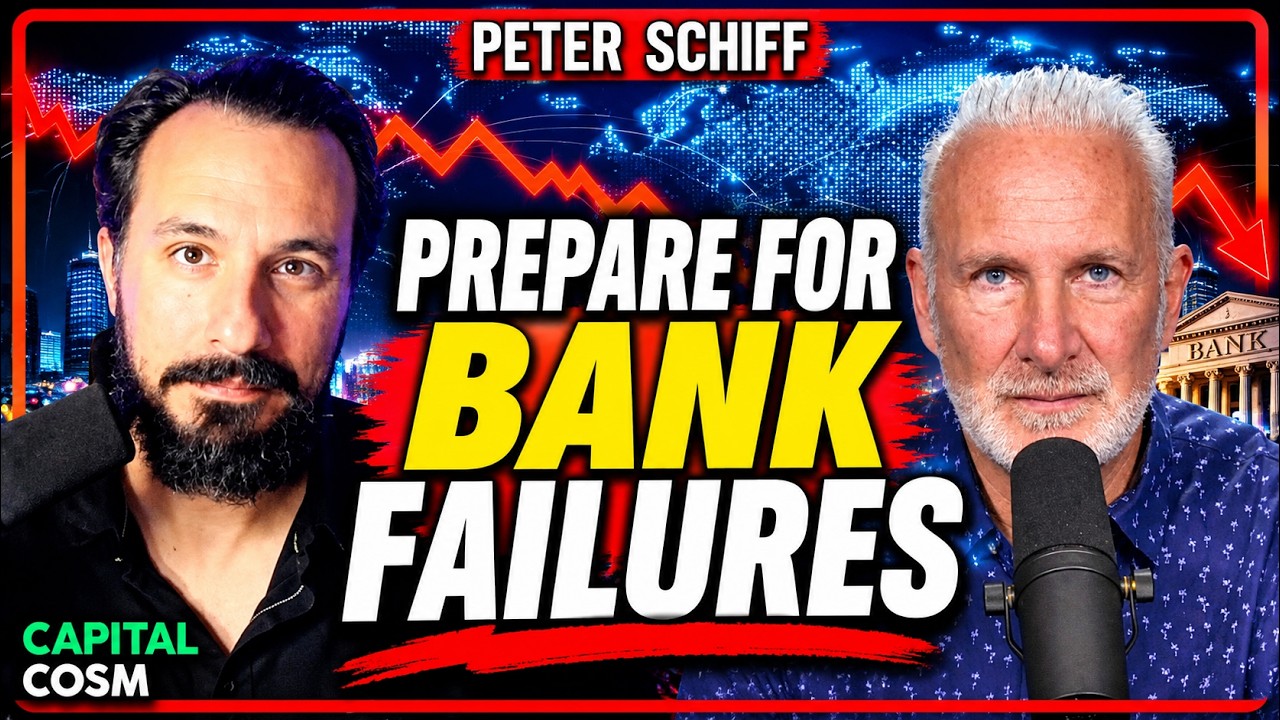

Peter opens by breaking down the market’s confused reaction to the Fed’s recent rate hike. He argues that despite the headline move, monetary conditions have actually gotten easier, not tighter, which should be bullish for precious metals:
So objectively, the Fed has got a looser monetary policy now than it did before that hike. So gold should be going up, but the traders still don’t get that. They’ll figure it out the hard way eventually. But for now, I think this is a buying opportunity in gold and silver.
From there, Peter pivots to the political consequences of economic mismanagement. He draws a direct line between Biden’s false claims of prosperity and Trump’s similar instinct to declare victory prematurely:
And what I think infuriated voters the most was not just that the problems got worse, but that Trump not only denied that they got worse, but claimed that they’d all been solved. Which was the same mistake Biden did. Yeah, and he boasted that we had the greatest economy in the history of the world, and he took credit for that. Meanwhile, the people who voted for him are struggling with bigger problems than the ones they hoped he would solve.
Peter explains what he sees as the real source of the so-called affordability crisis. He insists it has nothing to do with the price of goods themselves, and everything to do with the size and cost of government:
And the affordability crisis isn’t about the affordability of goods. It’s about the affordability of government. It’s government that we can’t afford, because it’s government spending that is causing all these prices to go up. You know, whenever we buy food, the extra price is not for the food. It’s for the government.
Shifting to the bond market, Peter warns of a dangerous setup building inside fixed income funds. He sees the potential for a violent and rapid unwind as investors rush for the exits all at once:
So I think there’s gonna be a lot of money rotating out of those funds. And it’s gonna rotate out a lot faster than it rotated in. So we could see a year’s worth, let’s say, of buying, liquidated in a week or two. So who’s gonna step up in front of that freight train and buy? So this market could crash like no other market.
Peter dismisses the Fed’s credibility, specifically targeting the tough talk coming from policymakers like Kevin Warsh. He argues that the rhetoric of inflation fighting doesn’t match the reality of a still-expanding balance sheet and money supply:
He’s been pounding his chest and, oh, we’re so tough and we’re vigilant and don’t doubt our resolve. And this time we are serious and we’re really gonna bring inflation down. And we got one 25 basis point hike, big deal. The balance sheet is bigger now than when Warsh was sworn in and the money supply continues to grow at around 6% annualized. That’s a lot of inflation. So he’s an inflation creator while he pretends to be an inflation fighter. He is a dove in wolf’s clothing or hawk’s clothing by design.
Peter closes with a stark warning about Fannie Mae and Freddie Mac, arguing that the conversation around these institutions is about to shift dramatically. Instead of debating privatization, he predicts the nation will soon be grappling with the cost of yet another massive bailout:
But there’s gonna be bank failures, foreclosures, financial crises. Instead of talking about whether or not we’re gonna privatize Fannie and Freddie again, it’s gonna be about how much it’s gonna cost to bail them out because of all the money that they’re lost. They’ve already lost the money. They just haven’t acknowledged it yet, but the losses are gonna be horrific. They’re gonna be bigger than the last round of losses that put them into conservatorship. And the stock market could go way down.

 Live Chat
 Email:
 Phone: 1-888-465-3160